Understanding the Critical Importance of Proper Concrete Curing

Concrete is one of the most widely used construction materials worldwide, and for good reason. It offers durability, strength, and versatility. However, many construction projects fail to achieve their intended lifespan and performance due to inadequate curing. The curing process is not simply about allowing concrete to dry—it’s a critical chemical process that determines whether your structure will remain strong and reliable for decades or deteriorate prematurely. 

Loss of Strength and Durability

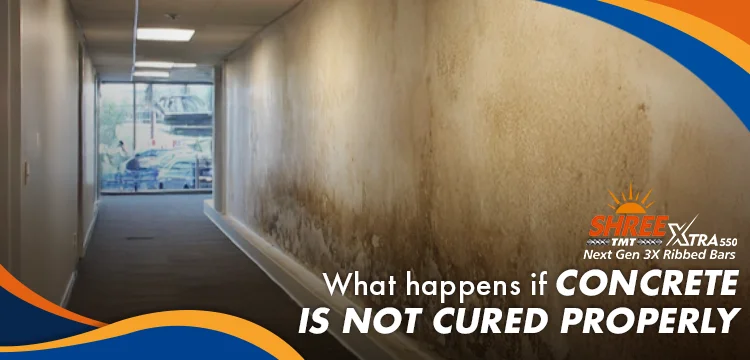
Proper curing allows concrete to develop its full compressive strength. When concrete is freshly placed, it contains moisture that facilitates the hydration of cement particles. If curing is inadequate, this moisture evaporates too quickly, interrupting the hydration process. The result is concrete that never reaches its designed strength, potentially achieving only 50-75% of its target capacity. This weakening can lead to structural failure, especially under heavy loads or stress. Inadequately cured concrete is also more susceptible to cracking, spalling, and surface deterioration over time.

Increased Permeability and Water Damage

One of the most damaging consequences of improper curing is increased permeability. Concrete that hasn’t cured properly develops more pores and micro-cracks, allowing water and other harmful substances to penetrate the surface. This creates a cascade of problems: water seeps into the concrete, corrodes reinforcing steel, promotes freeze-thaw damage, and enables chemical attacks. Buildings with improperly cured concrete foundations or structural elements are prone to leaking, dampness, and accelerated deterioration. What could have been a 50-year structure now requires significant repairs within 10-15 years.

Surface Defects and Aesthetic Issues

Improper curing often results in visible surface problems such as crazing (fine surface cracks), checking, and discolouration. While these may seem purely cosmetic, they indicate deeper structural issues. These surface flaws reduce the concrete 2019 aesthetic appeal and signal compromised durability. In architectural concrete or exposed surfaces, inadequate curing can ruin the intended appearance and require costly remedial treatments or resurfacing.

Reduced Resistance to Chemical Attack

Properly cured concrete develops a dense microstructure that resists attack from sulfates, chlorides, and other aggressive chemicals. When curing is inadequate, the concrete remains porous and vulnerable. In environments exposed to salt spray (coastal areas), chemical spills, or sulfate-rich soil, poorly cured concrete deteriorates rapidly. This is particularly critical for industrial structures, parking garages, and marine applications where chemical resistance is essential.

Shrinkage and Cracking

Rapid drying due to inadequate curing causes differential shrinkage—different parts of the concrete dry at different rates. This uneven shrinkage creates internal stress, leading to uncontrolled cracking. These cracks not only compromise structural integrity but also provide pathways for moisture and contaminants to infiltrate the concrete, accelerating deterioration.

Why This Matters for Your Construction

Proper concrete curing typically takes 7-28 days, depending on cement type, temperature, and environmental conditions. This timeline isn’t arbitrary—it’s based on engineering science. Whether you are pouring a foundation, building a structural frame, or creating decorative concrete elements, adherence to proper curing practices is non-negotiable.

At Shree TMT, we understand that quality concrete construction begins with quality materials and proper practices. Our reinforcing steel is engineered to work in conjunction with properly cured concrete, creating structures that stand the test of time. While Shree TMT provides the TMT bars that reinforce your concrete, the responsibility for proper curing lies with your construction team. We encourage all contractors and builders to invest time and resources into correct curing practices—it’s the difference between a temporary structure and a legacy asset. When you combine Shree TMT’s high-quality reinforcing steel with meticulous curing practices, you create concrete structures built to last generations. Don’t let poor curing compromise your investment. Insist on standards. Choose quality. Choose longevity.
12+ Most Valuable Components of Building Structure [Updated 2025]

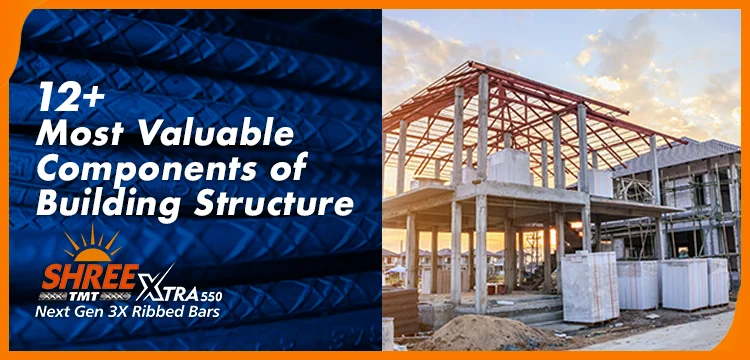
When constructing any building, understanding the essential structural components is crucial for ensuring safety, durability, and functionality. Modern construction demands careful consideration of each element that contributes to a structure’s integrity. Here are the most valuable components that form the backbone of any successful building project.

1. Foundation Systems

The foundation serves as the critical base that transfers the entire building’s load to the ground. Whether it’s a shallow foundation for lighter structures or deep foundations for high-rises, this component determines the building’s stability and longevity. Proper foundation design prevents settlement issues and structural failures.

2. TMT Steel Reinforcement Bars

TMT (Thermo-Mechanically Treated) steel bars are indispensable for reinforced concrete construction. These bars provide tensile strength to concrete structures, making them resistant to earthquakes, corrosion, and extreme weather conditions. Quality TMT bars ensure structural integrity for decades.

3. Concrete Mix and Quality

High-grade concrete forms the structural skeleton of modern buildings. The concrete mix design, including proper cement-to-aggregate ratios and water content, directly impacts the structure’s compressive strength and durability.

4. Structural Framing System

Whether steel frame, reinforced concrete frame, or hybrid systems, the structural frame distributes loads throughout the building. This includes beams, columns, and load-bearing walls that work together to maintain structural stability. Beams serve as horizontal structural elements that transfer loads from slabs to columns, forming the backbone of multi-story construction.

5. Roofing and Roof Structure

The roof system protects the entire structure from environmental elements while contributing to the building’s structural load distribution. Modern roofing systems incorporate thermal insulation, waterproofing, and wind resistance features.

6. Floor Systems and Slabs

Floor slabs and supporting systems carry live and dead loads while providing horizontal stability to the structure. These concrete slabs work in conjunction with supporting beams to create a robust floor system that ensures comfort, safety, and structural continuity between levels. Proper slab design is crucial for managing deflection and crack control.

7. Load-Bearing Walls

These walls carry structural loads from floors and roofs to the foundation. Strategic placement of load-bearing walls is essential for optimal load distribution and spatial planning.

8. Seismic and Wind Resistance Features

Modern buildings incorporate earthquake-resistant design elements and wind load considerations. This includes base isolators, dampers, and flexible connection systems that allow structures to withstand natural forces.

9. Drainage and Waterproofing Systems

Proper drainage prevents water accumulation that could compromise structural integrity. Waterproofing membranes and drainage systems protect foundations and basements from moisture damage.

10. Structural Joints and Connections

Expansion joints, construction joints, and various connection systems allow for thermal movement while maintaining structural continuity. Quality connections ensure load transfer between different structural elements.

11. Staircase and Vertical Circulation

Staircases must be structurally sound to handle heavy traffic loads while serving as emergency egress routes. Proper staircase design contributes to overall building safety.

12. Thermal and Structural Insulation

Insulation systems not only provide energy efficiency but also protect structural components from temperature fluctuations that could cause expansion and contraction damage.

Additional Critical Components

Fire Protection Systems

Fireproofing materials and systems protect structural steel and concrete from high-temperature damage.

Quality Control Measures

Regular testing and inspection of materials ensure that all components meet specified standards throughout construction.

Conclusion

Building a structure that stands the test of time requires careful attention to each of these components. From the foundation to the roof, every element plays a vital role in creating safe, durable, and functional buildings. Investing in quality materials and proper construction techniques for these components ensures long-term structural performance and occupant safety.

At Shree TMT, we understand the critical importance of superior TMT steel bars in modern construction. Our high-grade TMT bars are engineered to meet the demanding requirements of today’s structural projects, offering exceptional strength, flexibility, and corrosion resistance. With our commitment to quality and innovation, Shree TMT provides the reliable foundation your construction projects deserve.

For your next construction project, prioritize these essential components and choose reliable suppliers who understand the critical nature of structural building materials. Partner with Shree TMT for TMT steel bars that deliver uncompromising quality and performance.

The Role of TMT Bars in Dams and Hydropower Projects: Essential Steel Reinforcement for Critical Infrastructure

Dam construction and hydropower projects represent some of the most challenging engineering endeavors, that require the highest quality materials to ensure safety, longevity, and performance.. A fundamental component that holds these complicated structures together is the TMT (Thermo-Mechanically Treated) bars, which often go unnoticed but play an indispensable role. These reinforcement steel bars form the backbone of concrete structures in dams and hydropower facilities, making them essential for India’s growing energy infrastructure.

Why High-Grade TMT Bars are Essential for Dam Construction

Modern dam construction demands steel reinforcement that can withstand extreme hydraulic pressures, seismic forces, and environmental stresses. TMT steel bars provide the crucial tensile strength that concrete structures require, transforming ordinary concrete into a composite material capable of handling massive water loads and ground movements.

The superior mechanical properties of quality TMT bars include high yield strength, like Fe 550 grade, excellent ductility, and enhanced bendability. These characteristics make TMT reinforcement bars indispensable for concrete dam construction, where structural failure is not an option.

Corrosion Resistance: Key Advantage in Hydropower Applications

Water infrastructure projects face unique challenges related to moisture exposure and chemical attack. Premium TMT bars offer superior corrosion resistance compared to conventional mild steel reinforcement, thanks to their specialized manufacturing process that creates a protective pearlitic-ferritic microstructure.

This corrosion-resistant property is particularly valuable in hydropower plant construction, where steel reinforcement remains in contact with water throughout the structure’s operational life. The ribbed surface design of TMT bars also ensures optimal concrete bonding, preventing water ingress and further enhancing durability.

TMT Bar Applications in Hydropower Infrastructure Development

Beyond primary dam structures, TMT steel reinforcement plays vital roles throughout hydropower facility construction:

  • Foundation Systems: TMT bars reinforce powerhouse foundations and turbine pedestals, providing stability for heavy machinery installations.
  • Water Conveyance Structures: Penstock supports, intake towers, and spillway channels rely on TMT reinforcement for structural integrity.
  • Seismic Resistance: The earthquake-resistant properties of TMT bars are crucial for hydropower projects in seismically active regions.
  • Surge Chambers and Tailrace: These critical components require high-strength TMT reinforcement to handle dynamic water pressures.

Quality Standards and Specifications

For dam and hydropower applications, TMT bars must comply with stringent quality standards including IS 1786:2008 and relevant BIS specifications. These standards ensure that the bars can withstand the unique stresses encountered in hydraulic structures, including fatigue loading from water level fluctuations and dynamic forces from turbine operations.

Economic Benefits of Premium TMT Reinforcement

Using high-quality TMT bars in dam construction provides long-term economic advantages through reduced maintenance requirements, extended service life, and enhanced structural reliability. The superior fatigue resistance of TMT steel helps structures withstand repetitive loading from water level fluctuations and operational cycles.

Conclusion: Shree TMT’s Superior Steel Solutions for Critical Infrastructure

For dam construction and hydropower projects demanding uncompromising quality, Shree TMT bars deliver exceptional performance through advanced manufacturing processes and rigorous quality control. Our TMT bars exceed IS 1786:2008 standards, featuring superior tensile strength, enhanced corrosion resistance, and optimal ductility ratios essential for hydraulic structures.

Shree TMT’s commitment to consistent quality, precise chemical composition, and uniform mechanical properties makes our reinforcement bars the ideal choice for all infrastructure projects. With proven track records, Shree TMT bars ensure structural integrity, longevity, and safety for these vital national assets that power India’s growing economy.

7+ Different Types of Foundations in Construction in 2025

The foundation is arguably the most critical component of any construction project, serving as the backbone that transfers structural loads to the ground safely. With advancing construction technologies and evolving soil conditions, understanding the different types of foundations has become essential for builders, engineers, and property developers in 2025. Here’s a comprehensive guide to the major foundation types transforming modern construction.

1. Strip Foundations (Continuous Footings)

Strip foundations remain one of the most popular choices for residential construction. These continuous concrete strips run along the entire length of load-bearing walls, distributing weight evenly across the ground. They’re particularly effective for buildings with consistent wall loads and stable soil conditions. Modern strip foundations often incorporate reinforced steel bars for enhanced durability and load-bearing capacity.

2. Pad Foundations (Isolated Footings)

Ideal for column-based structures, pad foundations are individual concrete blocks placed under each column or structural point. These square or rectangular foundations are cost-effective for buildings with isolated loads and are commonly used in commercial and industrial construction. Their modular nature makes them adaptable to various soil conditions and building requirements.

3. Raft Foundations (Mat Foundations)

When dealing with weak soil conditions or heavy structural loads, raft foundations provide excellent solutions. These large concrete slabs extend across the entire building footprint, distributing loads over a maximum area. Raft foundations are particularly valuable for high-rise buildings, preventing differential settlement and providing superior structural stability.

4. Pile Foundations

For challenging soil conditions or heavy load requirements, pile foundations offer unmatched support. These deep foundations transfer loads to stronger soil layers or bedrock through vertical structural elements. Modern pile systems include driven piles, bored piles, and helical piles, each suited for specific ground conditions and load requirements.

5. Combined Footings

When individual pad foundations aren’t practical due to space constraints or property boundaries, combined footings support multiple columns through a single foundation element. These rectangular or trapezoidal foundations optimize space utilization while maintaining structural integrity, making them popular in urban construction projects.

6. Cantilever Footings (Strap Footings)

Cantilever footings connect an exterior column foundation to an interior one using a connecting beam or strap. This design prevents the exterior footing from extending beyond property lines while ensuring proper load distribution. They’re essential for boundary wall construction and space-constrained urban projects.

7. Caisson Foundations

Large-diameter deep foundations, such as caissons, are constructed by excavating or drilling shafts and filling them with concrete. These foundations excel in supporting heavy loads and are commonly used for bridges, high-rise buildings, and marine structures. Modern caisson construction techniques ensure precision and reliability even in challenging ground conditions.

8. Grillage Foundations

Primarily used for heavy steel column loads, grillage foundations consist of steel beam layers in perpendicular directions, encased in concrete. They’re particularly effective when shallow foundations aren’t sufficient but deep foundations aren’t necessary, offering an intermediate solution for moderate load requirements.

2025 Foundation Technology Innovations

The foundation construction landscape is experiencing revolutionary changes in 2025. Building Information Modeling (BIM) has evolved beyond 3D design tools to become essential for foundation planning, enabling precise soil analysis and load calculations before construction begins.

  • Digital twin technology is transforming foundation monitoring, providing real-time analytics and predictive maintenance capabilities. These virtual replicas help engineers identify potential foundation issues early, saving both time and resources while ensuring long-term structural integrity.
  • Internet of Things (IoT) sensors embedded in foundations now monitor settlement, moisture levels, and structural stress in real-time, providing unprecedented insights into foundation performance throughout a building’s lifecycle.
  • Smart Foundation Systems: Modern foundations in 2025 incorporate smart technologies that enhance performance and longevity. AI-powered soil analysis systems provide more accurate foundation recommendations, while robotic construction techniques ensure precise installation and quality control.
  • Artificial Intelligence helps with foundation planning and safety protocols, optimizing foundation design based on site-specific conditions and environmental factors. This technology integration reduces construction risks and improves overall project efficiency.

Choosing the Right Foundation in 2025

Selecting the appropriate foundation type now involves advanced digital tools and data-driven decision making. Construction firms are updating their IT infrastructure to take advantage of new technologies, ensuring foundation choices are based on comprehensive analysis rather than traditional methods alone.

Modern construction practices emphasize sustainable materials, climate-resilient designs, and integration with smart building systems. Quality TMT steel reinforcement remains crucial for foundation durability, with enhanced specifications to meet evolving environmental and structural demands.

Building Tomorrow’s Foundations with Shree TMT

At Shree TMT, we understand that superior foundations require superior steel reinforcement. Our high-grade TMT bars are engineered to meet the demanding requirements of modern foundation systems, from traditional strip footings to advanced smart foundations integrated with IoT monitoring systems.

With decades of expertise in steel manufacturing, Shree TMT combines time-tested metallurgical processes with cutting-edge quality control technologies. Our TMT bars offer exceptional tensile strength, superior bendability, and enhanced corrosion resistance – essential properties for foundations that must withstand diverse soil conditions and environmental challenges.

All About Footing In Construction: Types + Uses [Complete Guide 2024]

Construction footings are part of the foundation that distributes building loads into the soil, thus attaining stability and ensuring durability. Recognizing the different types and their applications is key for any construction professional.

Following are the essential types of footings and their critical roles in modern construction.

What Is a Construction Footing?

The footing is the lowest part of a foundation element. It is in direct contact with the ground, crucial in distributing the overall weight of the building above it across the soil, minimizing settlement and preserving structural integrity over time.

Common Types of Construction Footings

  1. Isolated or Pad Footings
    • Isolated, or pad footings, are square or rectangular concrete blocks supporting individual columns, commonly used in commercial and industrial settings. They are cost-effective, easy to construct, and allow for efficient material usage in structures with well-spaced columns.
  2. Strip Footings
    • Strip footings are continuous concrete foundations that support load-bearing walls, typically seen in residential and smaller commercial buildings. These footings distribute loads linearly along walls, making them versatile across various soil conditions and reducing differential settlement.
  3. Raft or Mat Foundations
    • Raft foundations consist of a thick concrete slab covering the entire area beneath a structure, ideal for weak soils or structures with heavy loads. Often chosen for buildings with basements, these foundations provide superior waterproofing and resist differential settlement, especially in areas with poor soil conditions.
  4. Pile Footings
    • Pile footings reach deep into stable soil layers or bedrock, offering stability for tall buildings and structures on unstable surface soil. They are crucial for high-rise and industrial projects, effectively managing heavy structural loads on challenging sites.

Factors Affecting Footing Selection

Footing selection depends heavily on soil conditions, including bearing capacity, soil type, and groundwater levels. Structural needs, such as building size, load distribution, and settlement tolerance, also play a major role. Environmental factors, including climate, seismic activity, and frost depth in colder areas, are equally essential considerations.

Best Practices for Footing Construction

Successful footing construction starts with a thorough site investigation, including soil testing and groundwater assessment. Design should incorporate accurate load calculations, proper dimensions, and reinforcement. During construction, adhering to concrete specifications, curing procedures, and levelling is crucial for ensuring long-term performance.

Modern Trends in Footing Design

Contemporary footing design increasingly integrates sustainable materials and advanced computer modeling. Prefabricated components are on the rise, reducing construction time and enhancing quality control. Focused advancements in seismic resilience and waterproofing continue to shape modern footing practices.

Choosing the right footing type is fundamental to successful construction. By using high-quality materials like Shree TMT bars, footings can provide long-lasting stability, ensuring safety for decades. Whether it’s isolated, combined, strip, raft, or pile footing, each type benefits from the added strength that TMT bars provide. With careful attention to soil, structural requirements, and best practices, construction professionals can ensure a reliable foundation. Keeping updated with modern techniques and adhering to building codes will extend the lifespan and effectiveness of any footing system, providing a strong start for every project.

Why TMT Bars are the Backbone of Modern Infrastructure

The Foundation of Modern Construction

In an era where skyscrapers redefine city skylines and intricate highway networks connect vast regions, the true strength of our built environment lies in materials that often go unnoticed. Thermo-Mechanically Treated (TMT) bars are among these crucial elements, providing the necessary support and resilience for the infrastructure that shapes our cities and towns.

Selected for their superior properties, TMT bars have become essential for engineers and architects striving to design structures that can stand the test of time. From the foundations of highways to the steel frames of high-rise buildings, TMT bars silently ensure the stability and longevity of our built environment.

Unmatched Strength and Durability

One of the primary advantages of TMT bars lies in their exceptional durability. TMT bars possess enhanced tensile strength, making them better equipped to withstand the immense forces and stresses that infrastructure must endure. This durability is particularly crucial in regions prone to natural disasters, such as earthquakes or hurricanes, where the ability of a structure to withstand these powerful forces can mean the difference between triumph and tragedy.

The unique manufacturing process of TMT bars involves rapid quenching of the outer layer while maintaining a higher temperature in the core. This creates a strong martensitic outer layer with a softer, more ductile core – a combination that provides optimal strength and flexibility. This dual nature allows TMT bars to bend without breaking under extreme pressure, making them ideal for construction in seismic zones.

Corrosion Resistance for Longevity

TMT bars excel in their resistance to corrosion, a common enemy of infrastructure. The unique thermo-mechanical treatment process they undergo imbues them with a protective layer that shields the inner core from the ravages of rust and weathering. This increased resistance to corrosion translates to longer-lasting structures, requiring less maintenance and ensuring the safety of the people who rely on them day in and day out.

Cost-Effectiveness and Economic Benefits

Beyond their technical advantages, TMT bars offer significant economic benefits. Their superior durability and corrosion resistance mean reduced maintenance costs over the lifetime of a structure. Additionally, their high strength-to-weight ratio allows for optimal material usage, potentially reducing the overall construction costs. The longer lifespan of structures built with TMT bars also provides excellent return on investment for infrastructure projects.

Environmental Sustainability

The manufacturing process of these bars is environmentally conscious, with a reduced carbon footprint and a high percentage of recycled content. This aligns with the growing global emphasis on sustainable construction practices, making TMT bars an eco-friendlier choice for modern infrastructure projects. The durability of TMT bars also means less frequent replacement and reconstruction, further reducing the environmental impact of construction projects.

Applications Across Infrastructure

TMT bars find applications across various infrastructure projects:

  • High-Rise Buildings: Their high tensile strength makes them perfect for tall structures
  • Bridges and Highways: Their fatigue resistance ensures longevity in transportation infrastructure
  • Industrial Structures: Their durability makes them ideal for heavy-duty industrial applications
  • Residential Construction: Their corrosion resistance provides long-term stability for housing
  • Marine Structures: Their resistance to environmental factors makes them suitable for coastal construction

The Future of Infrastructure

As our cities and transportation networks continue to expand, the demand for reliable, high-performance building materials will only increase. TMT bars, with their unmatched strength, durability, and corrosion resistance, have become the indispensable foundation upon which the infrastructure of the future will be built. From the towering skyscrapers that define our skylines to the vast networks of highways that connect our communities, these versatile steel reinforcements are the silent heroes that keep our world running.

Quality Standards and Certification

To ensure optimal performance, TMT bars must meet stringent quality standards. Reputable manufacturers ensure their products comply with international standards and undergo rigorous testing for:

  • Tensile strength
  • Yield strength
  • Elongation properties
  • Bend test performance
  • Chemical composition

These quality controls ensure that every TMT bar that goes into construction meets the highest standards of safety and reliability.

The role of TMT bars in modern infrastructure cannot be overstated. They represent the perfect combination of strength, durability, and sustainability that modern construction demands. As we continue to push the boundaries of architectural and engineering possibilities, TMT bars will remain at the forefront of infrastructure development, providing the strong foundation upon which we build our future.

Sustainable Construction: The Role of TMT Bars in Green Building Projects

The construction industry is transforming in the hope of a greener future. What is driving this promising shift is the substantial carbon emissions that the industry generates, making it a subject of concern. With the growing pressing need for a sustainable future and due to its sizeable contribution to global carbon emissions, the construction industry has increasingly shown interest in environmentally friendly practices that can reduce its footprint on the environment. Amongst the diverse options that meet this requirement, the Thermo-mechanically treated (TMT bars play a quintessential role in green building projects. These steel reinforcement bars not only play an integral role in the creation of structures but also greatly contribute to reducing carbon footprints throughout the construction process.

Energy Efficiency in Production and Application

The production process of the TMT bar is energy efficient and in tune with the goals of sustainable construction. As per the Global Sustainable Steel Council, in 2021, energy-efficient steel products, including TMT bars, can reduce energy consumption in construction projects by as much as 15%. This makes them play a significant role in green building projects. These bars are evolved through a specialized process of rapid quenching and self-tempering which results in a stronger yet lighter product, reducing the amount of raw material needed. The energy saved during production translates into lower embodied energy for the entire building project. In addition, TMT bars also save energy during construction. Since TMT bars possess a high strength-to-weight ratio, a comparatively lesser number of bars are used in attaining equal structural support, resulting in a reduction in material usage, leading to reduced energy consumption during transportation and assembling, further minimizing the carbon footprint of a building project.

Recyclability: A Step toward a Circular Economy

TMT bars have high recyclability aligned with the principles of the circular economy. This essentially means that the TMT bars can be completely recycled at the end of the life cycle of a building, diminishing the need to procure raw materials for new projects. This not only eliminates waste but also reduces raw material replenishment in subsequent projects, a situation that is of significant importance in an era where the construction industry is under greater pressure to minimize waste and adopt the finest resource management strategies.

According to the World Steel Association, steel is one of the most recycled materials globally, with a recycling rate of over 85%. TMT bars contribute to this statistic since they can be recycled without any loss in quality or strength. By incorporating recyclable materials like TMT bars into green building projects, the construction sector can significantly reduce its environmental footprint while promoting a more sustainable supply chain.

Carbon Footprint Reduction Through Longevity and Durability

Sustainable construction is not only about the materials used but also about creating structures that stand the test of time. TMT bars are known for their durability, offering resistance to environmental factors such as corrosion, earthquakes, and extreme weather conditions. This longevity reduces the need for repairs and replacements, thus minimizing resource consumption over the building’s lifecycle.

Additionally, the use of TMT bars in construction helps lower carbon emissions through reduced maintenance and extended durability For example, the structure developed using TMT bars requires less structural intervention at periodic intervals, and therefore lesser utilization of materials and resources for the entire lifetime of the buildings. As a result, the carbon emissions associated with maintenance, demolition, and reconstruction are significantly reduced.

Sustainability in Action: The Future of Green Buildings

The inclusion of TMT bars in sustainable construction projects marks a meaningful shift toward more responsible building practices. As global efforts on climate change continue to grow, countries need to become active proponents of renewable efforts of production, like the effective use of materials like TMT bars, which support the overarching goals of sustainability and are energy-efficient, durable, and recyclable. Not only do these bars increase the structural strength of buildings but also support the broader vision of sustainability: building structures that consume less energy, reduce waste, and bestow strength for centuries.

In an industry where environmental impact is a growing concern, TMT bars can alter the way forward to a greener future. By utilizing the inherent properties of these eco-friendly reinforcement bars, builders can construct robust structures that are based on the tenets of sustainability: which can offer, both present and future generations, a confident hope.

Revolutionizing Construction: The Advantages of BIM

The construction industry is evolving rapidly, and with it are the technologies that drive efficiency and innovation. One such technology that has been making waves in recent years is Building Information Modeling (BIM).

BIM (Building Information Modeling) is a digital representation of a building’s physical and functional characteristics. It creates a detailed 3D model that serves as a shared knowledge resource for all stakeholders involved in a construction project, from design through construction and operation. There are primarily two key advantages of BIM that are reshaping the construction landscape: enhanced collaboration and communication, and reduced costs and errors.

Enhanced Collaboration and Communication: Breaking Down Silos

Gone are the days of siloed work environments where architects, engineers, and contractors operated in isolation. BIM has ushered in a new era of collaboration, providing a shared digital model that’s accessible to all stakeholders in real time.

Real-Time Updates and Accessibility

With BIM, changes made by one team member are instantly visible to all others. This real-time updating ensures that everyone is always working with the most current information, reducing misunderstandings and conflicts that often arise from outdated plans.

Improved Visualization

BIM’s 3D modeling capabilities allow for better visualization of the project. This is particularly beneficial for our industry, as it enables us to see exactly how our components fit into the larger structure, ensuring perfect integration.

Streamlined Communication

The shared platform facilitates easier communication between different teams. Instead of lengthy email chains or confusing phone calls, team members can leave comments directly on the model, pointing out issues or suggesting improvements.

Enhanced Coordination

For complex projects involving multiple subcontractors, BIM acts as a central coordination tool. It helps identify potential clashes between different systems (e.g., electrical and plumbing) before they become costly on-site problems.

Reduced Costs and Errors: Precision from Planning to Execution

One of the most significant advantages of BIM is its ability to reduce costs and errors by identifying potential issues early in the planning stage.

Early Issue Detection

BIM allows us to run simulations and clash detections before a single piece of TMT Bar is manufactured. This proactive approach helps identify and resolve potential conflicts or design flaws that might otherwise go unnoticed until construction begins.


Accurate Material Estimation

With precise 3D models, we can generate highly accurate material estimates. This reduces waste and ensures that we manufacture exactly what’s needed for the project, leading to significant cost savings.

Improved Prefabrication

The detailed models produced by BIM enable more components to be prefabricated off-site. For us, this means we can produce more precise components in controlled factory conditions, reducing on-site assembly time and potential errors.

Efficient Project Management

BIM’s 4D and 5D capabilities (which incorporate time and cost data) allow for better project scheduling and budget management. This leads to more accurate timelines and cost projections, reducing the risk of overruns.

Reduced Rework

By identifying and resolving issues in the virtual environment, BIM significantly reduces the need for costly and time-consuming rework during construction.

The Future is BIM

As we look to the future of construction, it’s clear that BIM will play an increasingly central role. Its ability to enhance collaboration and communication while simultaneously reducing costs and errors makes it an indispensable tool for modern construction projects.

Embracing BIM means allows us to provide more accurate, efficient, and cost-effective solutions. It enables us to integrate seamlessly into the larger construction ecosystem, ensuring that our steel components are perfectly tailored to each unique project.

In conclusion, the advantages of BIM in construction are clear and compelling. By fostering enhanced collaboration and communication, and significantly reducing costs and errors, BIM is not just improving how we build – it’s revolutionizing the entire construction industry. As we at Shree TMT continue to innovate and adapt, BIM will undoubtedly remain at the forefront of our efforts to deliver excellence in steel manufacturing for construction projects of all sizes and complexities.

Use of AR & VR In the Construction Industry: Benefits + Future [Complete Guide]

The construction industry is undergoing a technological revolution, with Augmented Reality (AR) and Virtual Reality (VR) at the forefront. These immersive technologies are reshaping how projects are designed, executed, and managed, and understanding how AR and VR are reshaping the sector can provide significant strategic advantages.

Improved Visualization and Planning

One of the most significant advantages of AR and VR in construction is enhanced visualization and planning capabilities. These technologies allow architects, engineers, and clients to experience projects in three dimensions before breaking ground.

  • 3D Modeling: AR and VR enable the creation of highly detailed 3D models, providing a more accurate representation of the final product.
  • Client Presentations: Immersive walkthroughs help clients better understand designs, leading to faster approvals and fewer revisions.
  • Clash Detection: VR allows teams to identify and resolve design conflicts early, reducing costly on-site changes.

Safety Training and Simulations

Safety is paramount in construction, and AR/VR technologies are revolutionizing how workers are trained and prepared for on-site challenges.

  • Immersive Training: VR simulations provide realistic, risk-free environments for workers to practice dangerous scenarios.
  • Equipment Operation: Workers can learn to operate complex machinery safely through VR training modules.
  • Site-Specific Safety: AR can overlay safety information and hazard warnings in real-time on job sites.

Enhanced Collaboration and Communication

AR and VR foster better collaboration among project stakeholders, regardless of their physical location.

  • Virtual Meetings: Teams can conduct design reviews and project meetings in shared virtual spaces.
  • Real-Time Data Sharing: AR allows on-site workers to access and share critical information instantly.
  • Remote Expert Assistance: AR enables off-site experts to guide on-site workers through complex tasks.

Efficient Project Management

These technologies are streamlining project management processes, leading to improved efficiency and cost savings.

  • Progress Tracking: AR can overlay BIM data onto the physical site, allowing managers to compare actual progress with plans.
  • Resource Allocation: VR simulations help optimize resource allocation and scheduling.
  • Quality Control: AR assists in comparing as-built conditions with design specifications in real-time.

Cost Reduction and Time Savings

While initial investment in AR/VR technology may be significant, the long-term benefits are substantial.

  • Reduced Rework: Early detection of design issues leads to fewer costly on-site changes.
  • Faster Decision-Making: Immersive visualizations enable quicker and more informed decisions.
  • Streamlined Processes: AR/VR integration can shorten project timelines and reduce labor costs.

Future Prospects

The future of AR and VR in construction looks promising, with several exciting developments on the horizon:

  1. AI Integration: Combining AR/VR with artificial intelligence will enable predictive analysis and smarter decision-making.
  2. 5G Connectivity: Faster, more reliable connections will enhance real-time AR applications on construction sites.
  3. Wearable Technology: Advanced AR glasses and haptic feedback devices will make immersive experiences more seamless.
  4. Digital Twins: VR will play a crucial role in creating and maintaining digital replicas of physical structures.
  5. Sustainable Construction: AR/VR will aid in optimizing energy-efficient designs and simulating environmental impacts.

Conclusion

AR and VR are no longer futuristic concepts in the construction industry; they’re rapidly becoming essential tools. From improving safety and efficiency to enhancing collaboration and client satisfaction, these technologies are transforming every aspect of construction.

As we look to the future, the integration of AR and VR in construction will only deepen, bringing about more innovative solutions and pushing the boundaries of what’s possible in the built environment. Companies that embrace these technologies now will be well-positioned to lead the industry in the years to come. At Shree TMT, we’re committed to staying at the forefront of technological advancements in construction. By leveraging AR and VR, we’re building a safer, more efficient, and more sustainable future for the construction industry.

Sustainability in Steel: 4+ Eco-friendly Practices and Materials

In an era where environmental consciousness is paramount, the steel industry is making significant strides towards sustainability. This industry, traditionally associated with high energy consumption and environmental impact, is evolving to meet these sustainability demands. Here are some key practices and materials contributing to sustainability in steel production:

Recycling and Reuse: The Cornerstone of Sustainable Steel

One of the most remarkable aspects of steel is its recyclability. As one of the most recycled materials globally, steel plays a crucial role in reducing waste and conserving valuable resources in the construction industry. The recycling process for steel is not only efficient but also helps maintain the material’s quality, allowing it to be used repeatedly without degradation. Recycling one ton of steel conserves 2500 pounds of iron ore, 1400 pounds of coal, and 120 pounds of limestone.

At Shree TMT, we elevate steel quality by producing steel that complies with the rigorous IS 1786 (2008) standards. By doing so, we’re able to:

  1. Reduce the demand for raw materials, thereby conserving natural resources
  2. Minimize the energy required for production compared to manufacturing steel from virgin materials
  3. Significantly decrease the amount of construction waste ending up in landfills.

Energy-Efficient Manufacturing: Paving the Way for Green Steel

The adoption of energy-efficient manufacturing processes is another crucial step towards sustainability in the steel industry. Traditional steel production methods are known for their high energy consumption and carbon emissions. However, innovative technologies are changing this narrative.

One of the most promising developments in this area is the use of electric arc furnaces (EAF). At Shree TMT, we’ve invested heavily in IF  technology, which offers several environmental benefits:

  1. Reduced carbon footprint: EAFs produce significantly fewer CO2 emissions compared to conventional blast furnaces
  2. Lower energy consumption: The electric arc process is more energy-efficient, reducing overall power usage
  3. Flexibility in raw material use: EAFs can easily accommodate a high percentage of recycled steel, further enhancing sustainability

Our commitment to green steel production goes beyond EAFs. We’re constantly exploring and implementing other energy-efficient practices, such as:

  • Heat recovery systems that capture and reuse waste heat from production processes
  • Advanced automation and control systems to optimize energy use
  • Investment in renewable energy sources to power our facilities

Reducing Waste Through Byproduct Utilization

The steel manufacturing process generates various byproducts, including slag, dust, and sludges. Instead of discarding these materials, many steel plants are finding ways to reuse or repurpose them. For example, slag, a byproduct of the smelting process, can be used in road construction or as a cement additive, reducing the need for raw materials. This practice not only minimizes waste but also promotes a circular economy in the construction industry.

Eco-friendly Practices: Going Above and Beyond

At Shree TMT, we believe that sustainability is an ongoing journey. That’s why we’re always looking for new ways to reduce our environmental impact. Some of our additional eco-friendly initiatives include:

  1. Water conservation: Implementing closed-loop water systems and advanced water treatment technologies to minimize water usage and protect local water resources
  2. Sustainable transportation: Optimizing our logistics to reduce transportation-related emissions and exploring alternative fuel options for our vehicle fleet
  3. Biodiversity protection: Implementing land management practices that protect and enhance local ecosystems around our production facilities
  4. Green building materials: Developing and promoting the use of high-strength steels that allow for lighter, more efficient structures, reducing overall material usage in construction

The Future of Sustainable Steel Sustainability in steel production is no longer an option but a necessity in today’s environmentally-conscious world. With practices like recycling, energy-efficient manufacturing, green steel production, and innovative materials, the steel industry is making significant strides toward becoming more eco-friendly. By embracing these eco-friendly practices and materials, we’re not just producing steel – we’re forging a path toward a more sustainable construction industry.

TMT CALCULATOR