What is Shuttering in Construction: Types, importance, and Uses

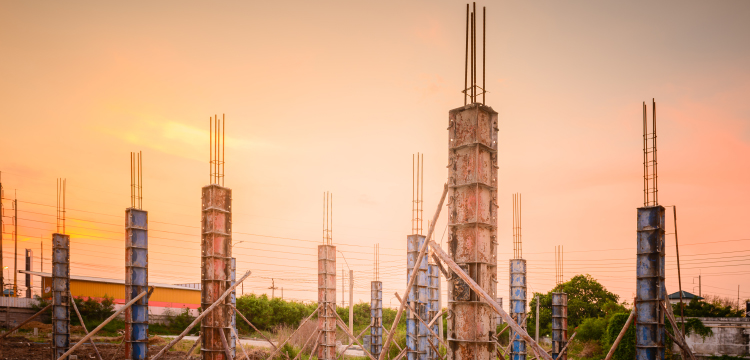
Shuttering, also known as formwork, is a crucial component in construction, particularly in concrete-based projects. It involves creating a temporary mold to support wet concrete, that is poured to shape structures. The shuttering is usually made using wood and steel among other materials. 

Understanding shuttering’s various types, importance, and uses is essential for anyone involved in construction, as it significantly impacts the project’s quality, efficiency, and safety.

Types of Shuttering

  1. Timber Shuttering: Timber shuttering is an old traditional form of formwork. Made from wooden planks, it is easy to construct and dismantle. Its flexibility allows for use in various shapes and sizes. However, timber is less durable and prone to warping.
  1. Steel Shuttering: Steel shuttering is known for its strength and durability. It is reusable and can withstand heavy loads, making it suitable for large-scale projects. While steel formwork provides a smooth finish to concrete surfaces and is less likely to warp, it can be more expensive than timber.
  1. Plywood Shuttering: Plywood is often used as a facing material for timber shuttering. It offers a smooth finish and is lightweight, making it easier to handle. Plywood shuttering is also more cost-effective than steel, but like timber, its durability is limited.
  1. Aluminum Shuttering: Aluminum shuttering combines the lightweight nature of timber and the durability of steel. It is easy to handle and transport, and its high reusability makes it a cost-effective option in the long run. Aluminum formwork is particularly useful for repetitive tasks, such as in mass housing projects.
  1. Plastic Shuttering: Plastic shuttering is gaining popularity due to its lightweight, durability, and ease of cleaning. It is resistant to moisture and chemicals, making it suitable for a variety of environments. Plastic formwork is ideal for projects requiring complex shapes and high precision.

Importance of Shuttering

  1. Structural Integrity: Shuttering plays a vital role in ensuring the structural integrity of a construction project. By providing a stable mold, it allows concrete to set in the desired shape and strength.
  1. Surface Finish: The quality of the shuttering directly affects the surface finish of the concrete. Smooth and well-maintained formwork results in a high-quality finish, reducing the need for additional surface treatment and finishing work.
  1. Efficiency: Efficient shuttering can significantly speed up the construction process. Prefabricated formwork systems, such as aluminum or plastic shuttering, can be quickly assembled and dismantled, saving time and labor costs.
  1. Safety: It is essential to have a solid formwork that can withstand the load during casting and keep its shape, as the concrete hardens. This reduces the risk of accidents on the construction site.

Uses of Shuttering

  1. Foundations: Shuttering is used in the construction of foundations, providing the necessary shape and support for concrete to form the base of structures. Whether it’s strip, raft, or pile foundations, formwork is critical to achieving the required dimensions and strength.
  1. Columns and Beams: Shuttering for columns and beams ensures that these structural elements are formed accurately and can bear the load they are designed for. It allows for the creation of uniform and consistent shapes throughout the building.
  1. Slabs and Floors: Formwork is essential for casting slabs and floors, ensuring they are level and smooth. Properly installed shuttering supports the concrete until it gains enough strength to support itself.
  1. Curved Structures: Complex and curved structures, such as arches and domes, require specialized formwork. Shuttering in these cases must be meticulously designed to maintain the integrity and aesthetic appeal of the final structure.
  1. Retaining Walls: In the construction of retaining walls, shuttering holds the concrete in place until it sets and gains the necessary strength to resist soil pressure and other loads.

Shuttering is an integral part of the construction process, ensuring that concrete structures are formed correctly and safely. By understanding the different types of shuttering, their importance, and their uses, construction professionals can select the most appropriate formwork for their projects, enhancing efficiency, safety, and structural quality.

TMT Bars in Residential Construction: The Unseen Essential for Durability

In the realm of residential construction, every detail matters. While we often pay close attention to the aesthetics and design of our homes, the structural materials that form the backbone of a building are equally vital. Of these, TMT (Thermo-Mechanically Treated) rods, play a silent but indispensable role in ensuring the strength and durability of residential structures.

The Basics of TMT Bars:

TMT bars, a type of reinforcing steel extensively employed in the construction sector, are recognized for their outstanding strength, exceptional flexibility, and resistance to corrosion. These qualities make them an ideal choice for various construction projects, with a particular emphasis on residential construction. These are the hidden heroes that strengthen concrete and enhance the structural integrity of residential buildings.

Enhanced Durability:

One of the biggest contributions of TMT in construction is their role in improving durability. They act as the skeleton of the concrete structure, providing tensile strength to withstand various loads, including wind, seismic activity, and environmental factors such as the total weight of the structure itself. They undergo a unique manufacturing process that involves controlled heating and rapid quenching, resulting in a tough outer layer and a softer inner core. This combination of strength and flexibility makes TMT bars more resistant to bending and breaking under stress, which helps to prevent structural failure and extends the lifespan of the building. The impactful Rib-on-Rib feature, exemplifying product innovation, is a hallmark of Shree TMT, reinforcing the bond between cement and steel and contributing to the resilience of such structures.

Improved Crack Resistance:

TMT bars greatly contribute to the crack resistance of concrete. During the curing process, concrete can develop micro-cracks, which can lead to more extensive damage over time. TMT bars help to contain these micro-cracks and maintain the structural integrity of the building. Their unique manufacturing process, which involves controlled cooling after hot rolling, ensures the bars have a fine-grained structure, which is essential for resisting cracks.

Enhanced Fire Resistance:

In the realm of construction, one crucial aspect gaining attention is the integration of fire-resistant features into TMT bars. These bars play a pivotal role in fortifying structures against fire hazards, offering enhanced safety standards. TMT bars, by virtue of their composition and construction, provide excellent fire resistance. They can sustain high temperatures for lengthy periods of time with little loss of strength, providing critical fire protection. Manufacturers, with Shree TMT leading by example, are at the forefront of ensuring construction safety. Shree TMT’s manufacturing process upholds strict control over the chemical composition by incorporating meticulously chosen alloying elements. This ensures that their TMT bars exhibit exceptional thermal resistance, enabling them to endure significantly higher temperatures compared to standard steel bars. The subtle yet impactful measures taken by industry leaders demonstrate the commitment to innovation and safety, setting a benchmark for others in the construction sector.

Corrosion Resistance:

TMT bars are incorporated in concrete structures in many architectural construction projects. Their corrosion resistance is critical to a building’s structural stability over time. Even in adverse weather conditions, a protective oxide film on the outside of the TMT frames prevents damage. This corrosion resistance keeps the concrete firm and prevents structural damage.

Cost-Effective Solution

The durability and prolonged lifespan of TMT bars alleviate the necessity for expensive maintenance and repairs. This decreased vulnerability to structural failures mitigates the likelihood of costly reconstructions, presenting TMT bars as a cost-effective choice for residential construction projects. Shree TMT, exemplifying industry leadership, incorporates state-of-the-art surface treatment technology that showcases remarkable resistance to corrosion resulting from aging, further enhancing the longevity and reliability of its products.

Sustainability and Eco-friendliness:

TMT bars, especially those that secondary steel manufacturers manufacture, are not only strong but also eco-friendly. While their durability ensures that residential buildings last longer, reducing the need for new construction projects, their manufacturing methodology reduces the environmental impact, contributing to a sustainable construction industry. Additionally, the manufacturing process of TMT bars by secondary steel producers involves recycling steel from scrap, thereby contributing to a more sustainable construction industry.

Conclusion:

In the world of residential construction, TMT bars are an essential component that often go unnoticed. Their remarkable strength, durability, crack resistance, fire resistance, corrosion resistance, and cost-effectiveness make them vital to any construction project. While the aesthetics and design of a home are important, it’s the quality of construction that truly ensures the safety and comfort of its residents. It is crucial to meticulously select TMT bars supported by advanced technology and certified standards. BIS certification, conferred by the Bureau of Indian Standards, is a mark of excellence signifying adherence to stringent quality standards, imparting a commendable reputation to the construction of houses. When you next appreciate a finely constructed home, it’s worth noting that TMT bars serve as the foundation, ensuring the durability and structural integrity of the place you proudly call home.

5 Remarkable Innovations in Steel that are Elevating Construction Trends

In the evolving world of construction, steel is quintessential in enhancing structural integrity, and versatility in construction.  Innovations in steel can be traced back to the 6th century B.C. when cast iron was first used in construction. However, remarkable breakthroughs in technologies and methodologies have since then, revolutionized steel structures, pushing the boundaries of engineering excellence. The strength and stability of any steel structure are defined by the components that bind it. Innovations in steel are reshaping construction trends by providing efficient and resilient solutions that redefine the very nature of structures. Some of these notable innovations include:

1. Reinventing Reinforcement:

Precision engineering aids in the production of steel bars that offer unparalleled strength, ductility, and corrosion resistance. The groundbreaking rib-on-rib feature is a product innovation that improves the bonding of steel and cement. This precise rib cutting eradicates the potential for manual errors and ensures that structures stay resilient in the face of extreme conditions, while reinforced concrete structures’ load-bearing capability is increased. This invention not only makes buildings safer but also makes construction processes more efficient.

2. Prefabricated Steel Components: Precision in Assembly

Prefabrication techniques are revolutionary in enhancing the versatility of steel structures and have grown popular, with the industry growing at a rate of approximately 6-7% annually, with steel taking a central role. Steel components, such as beams, columns, and trusses, backed with advanced welding technology, are being manufactured with precision in controlled factory environments and then transported and assembled on-site. This reduces the need for on-site labor, minimizing site congestion and waste, while ensuring higher quality standards. This results in efficient and cost-effective construction methods that push the limits of architectural design.

3. Sustainable Coatings: Prolonging Steel’s Lifespan

Innovations in surface treatment technology are extending the lifespan of secondary steel components. Environmentally friendly protective coatings and galvanization techniques, such as zinc-rich paints and epoxy coatings, enhance corrosion resistance caused by aging or environmental factors and reduce maintenance requirements. This not only increases the durability of steel structures but also aligns with sustainable construction practices.

4. Lightweight Steel Framing: A New Era in Design

Lightweight steel framing solutions provide design diversity and flexibility. These systems are not only sturdy, but they also allow for bigger open areas and distinctive architectural characteristics. This material includes increased strength and durability and is very popular in the construction of energy-efficient and environmentally friendly buildings.

5. Sustainable Building Materials

The widespread embrace of sustainable practices and eco-friendly materials, geared towards reducing environmental harm and carbon emissions, has propelled the expansion of steel structures. The use of recycled steel has surged in prominence as steel construction methods have evolved. This surge is chiefly driven by environmental consciousness and long-term sustainability goals. Recycling steel waste has the potential to reduce water pollution by an impressive 76 percent and air pollution by a remarkable 86 percent. Moreover, advanced recycling techniques and stringent quality control protocols guarantee that recycled steel not only meets but surpasses the stringent standards for structural integrity.

As we look ahead in the world of construction, these innovations underscore the enduring significance of steel as a material of choice. One that continues to shape the landscape of modern architecture and engineering, offering efficient, durable, and sustainable solutions that will redefine the very nature of structures for generations to come. As we embrace these advancements, we are not only constructing safer and more efficient buildings but also contributing to a more sustainable and resilient environment.

TMT CALCULATOR