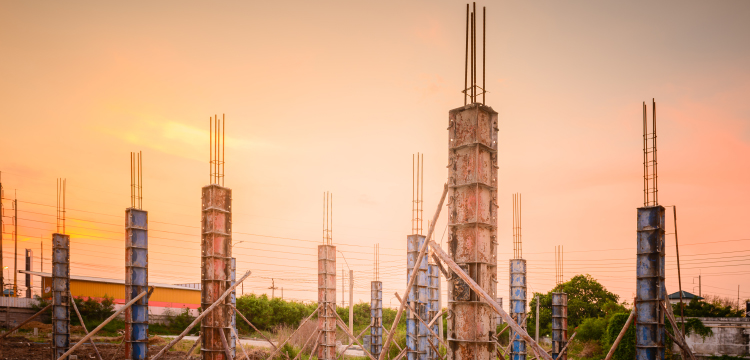
What is Shuttering in Construction: Types, importance, and Uses

Shuttering, also known as formwork, is a crucial component in construction, particularly in concrete-based projects. It involves creating a temporary mold to support wet concrete, that is poured to shape structures. The shuttering is usually made using wood and steel among other materials. 

Understanding shuttering’s various types, importance, and uses is essential for anyone involved in construction, as it significantly impacts the project’s quality, efficiency, and safety.

Types of Shuttering

  1. Timber Shuttering: Timber shuttering is an old traditional form of formwork. Made from wooden planks, it is easy to construct and dismantle. Its flexibility allows for use in various shapes and sizes. However, timber is less durable and prone to warping.
  1. Steel Shuttering: Steel shuttering is known for its strength and durability. It is reusable and can withstand heavy loads, making it suitable for large-scale projects. While steel formwork provides a smooth finish to concrete surfaces and is less likely to warp, it can be more expensive than timber.
  1. Plywood Shuttering: Plywood is often used as a facing material for timber shuttering. It offers a smooth finish and is lightweight, making it easier to handle. Plywood shuttering is also more cost-effective than steel, but like timber, its durability is limited.
  1. Aluminum Shuttering: Aluminum shuttering combines the lightweight nature of timber and the durability of steel. It is easy to handle and transport, and its high reusability makes it a cost-effective option in the long run. Aluminum formwork is particularly useful for repetitive tasks, such as in mass housing projects.
  1. Plastic Shuttering: Plastic shuttering is gaining popularity due to its lightweight, durability, and ease of cleaning. It is resistant to moisture and chemicals, making it suitable for a variety of environments. Plastic formwork is ideal for projects requiring complex shapes and high precision.

Importance of Shuttering

  1. Structural Integrity: Shuttering plays a vital role in ensuring the structural integrity of a construction project. By providing a stable mold, it allows concrete to set in the desired shape and strength.
  1. Surface Finish: The quality of the shuttering directly affects the surface finish of the concrete. Smooth and well-maintained formwork results in a high-quality finish, reducing the need for additional surface treatment and finishing work.
  1. Efficiency: Efficient shuttering can significantly speed up the construction process. Prefabricated formwork systems, such as aluminum or plastic shuttering, can be quickly assembled and dismantled, saving time and labor costs.
  1. Safety: It is essential to have a solid formwork that can withstand the load during casting and keep its shape, as the concrete hardens. This reduces the risk of accidents on the construction site.

Uses of Shuttering

  1. Foundations: Shuttering is used in the construction of foundations, providing the necessary shape and support for concrete to form the base of structures. Whether it’s strip, raft, or pile foundations, formwork is critical to achieving the required dimensions and strength.
  1. Columns and Beams: Shuttering for columns and beams ensures that these structural elements are formed accurately and can bear the load they are designed for. It allows for the creation of uniform and consistent shapes throughout the building.
  1. Slabs and Floors: Formwork is essential for casting slabs and floors, ensuring they are level and smooth. Properly installed shuttering supports the concrete until it gains enough strength to support itself.
  1. Curved Structures: Complex and curved structures, such as arches and domes, require specialized formwork. Shuttering in these cases must be meticulously designed to maintain the integrity and aesthetic appeal of the final structure.
  1. Retaining Walls: In the construction of retaining walls, shuttering holds the concrete in place until it sets and gains the necessary strength to resist soil pressure and other loads.

Shuttering is an integral part of the construction process, ensuring that concrete structures are formed correctly and safely. By understanding the different types of shuttering, their importance, and their uses, construction professionals can select the most appropriate formwork for their projects, enhancing efficiency, safety, and structural quality.

Beyond Smokestacks: Transformative Strategies for Reducing Steel Industry Pollutants through Secondary Steel Manufacturing


Steel is one of the globe’s indispensable commodities, and is a cornerstone of modern infrastructure. Projections by the World Steel Association indicate a staggering 20% growth in global steel demand by 2050 from current levels. The escalating demand for this alloy mirrors the expanding world population’s imperative need for increased investment in infrastructure and construction projects.  However, the pollution from steel production stands out as a leading contributor to carbon dioxide emissions and has long been associated with environmental concerns, driving global warming. The conventional steel manufacturing process catering to the rising steel demand, characterized by towering smokestacks emitting pollutants into the air, has raised serious environmental challenges necessitating the urgency to foster quality control in the steel industry by greening it and reducing its environmental footprint, particularly in terms of carbon emissions. To attain this, there are transformative alternatives that hold great promise for mitigating these issues. These endeavours involve implementing measures such as expanding the utilization of secondary steel by recycling scrap steel, modifying existing recycling techniques to enhance impurity removal (e.g., disassembling vehicles rather than crushing them to facilitate material separation, boosting energy efficiency, and transitioning from carbon-intensive to net-zero technologies.

The Environmental Toll of Traditional Steel Manufacturing: Traditional steel manufacturing methods, such as the blast furnace method, involve the extraction of iron ore, which is then smelted with coke (a form of carbon) in high-temperature furnaces. This process releases a significant amount of carbon dioxide (CO2) and other pollutants into the atmosphere. Moreover, the mining and transportation of raw materials contribute to deforestation, habitat destruction, and increased carbon emissions.

Air Pollution in the Steel Industry:

  1. Carbon Emissions: The steel industry is a significant contributor to global carbon emissions, accounting for approximately 7%. The conventional steelmaking process exacerbates this environmental impact, emitting carbon dioxide at two critical stages. Initially, when coal is heated to produce coke, and subsequently, when the coke is burned to melt iron ore in furnaces with temperatures soaring above 2000°C.  This combustion of coke in blast furnaces is a major contributor to carbon emissions. CO2 is released during both the reduction of iron ore and the combustion of carbonaceous materials, contributing to climate change and global warming.


  1. Particulate Matter: Steel manufacturing also releases particulate matter, including dust and fine particles, which can have adverse effects on respiratory health when inhaled. These particles can contain harmful substances such as heavy metals, further exacerbating health and environmental concerns.


  1. Sulfur Dioxide (SO2): The use of coke in traditional steelmaking results in the release of sulfur dioxide, contributing to acid rain and air pollution. SO2 emissions have detrimental effects on both human health and the environment.


  1. Nitrogen Oxides (NOx): High-temperature processes in steel manufacturing lead to the formation of nitrogen oxides, which contribute to smog formation, respiratory issues, and other environmental problems.


The Rise of Secondary Steel Manufacturing: To address the environmental impact, secondary steel manufacturing has emerged as a sustainable alternative. This approach involves recycling scrap steel, thereby reducing the demand for virgin raw materials and minimizing the environmental footprint associated with traditional steelmaking. One of the most significant advantages of secondary steel manufacturing lies in its positive impact on air quality. Unlike traditional primary steel production, which relies on high-temperature processes, secondary steel manufacturing through recycling scrap steel offers a breath of fresh air, literally and figuratively.

  1. Particulate Matter Reduction: Secondary steel manufacturing avoids high-temperature processes, resulting in a drastic reduction in the emission of particulate matter. By utilizing scrap steel as the primary source, secondary steel manufacturing minimizes the need for the intense heat that characterizes primary steel production. As a result, the release of harmful particulate matter into the atmosphere is significantly curtailed. This not only benefits the immediate vicinity of steel plants but also contributes to broader regional air quality improvements.


  1. Sulfur Dioxide (SO2) Emission Reduction: In secondary steel manufacturing, the avoidance of coke-based processes directly translates to a reduction in sulfur dioxide emissions. By relying on scrap steel, which does not undergo the same chemical reactions as raw materials in a blast furnace, the industry can contribute to the improvement of air quality by mitigating the release of this harmful gas.


  1. Nitrogen Oxides (NOx) Mitigation: Secondary steel manufacturing, with its emphasis on recycling existing steel rather than subjecting it to intense heat, significantly reduces the generation of nitrogen oxides. This not only benefits the health of nearby communities but also contributes to a broader reduction in regional steel industry pollutants.


  1. Overall Environmental Impact: Beyond the direct reduction of specific pollutants, the shift to secondary steel manufacturing has broader positive implications for the environment. Secondary steel manufacturers that use the Induction Furnace/Electric Arc Furnace, utilize less heat, making it a more energy-efficient process. By decreasing the reliance on energy-intensive processes, the carbon footprint associated with steel production is significantly diminished. This, in turn, contributes to the global fight against climate change. The environmental benefits extend beyond air quality improvements; they encompass the preservation of ecosystems, reduction of deforestation, and conservation of natural resources. Secondary steel manufacturing aligns with the principles of a circular economy, where materials are reused, recycled, and repurposed, minimizing waste and environmental impact.

Conclusion:

In the quest for a sustainable future, the steel industry’s commitment to secondary steel manufacturing emerges as a pivotal force for positive change. The tangible benefits extend to air quality improvements, as the industry transitions away from high-temperature processes that characterize traditional steel production. By embracing recycling and reducing the reliance on raw materials, secondary steel manufacturing not only provides a viable solution to pollution from steel production but also paves the way for a cleaner, healthier, and more sustainable future. The shift from smokestacks to sustainable practices is not just an industry necessity but a crucial step toward environmental stewardship, which is even more critical now. This shift encompasses policies and initiatives aimed at fostering increased recycling, enhancing material and energy efficiency, promoting circularity, and fostering international collaboration on cutting-edge technologies that significantly lower greenhouse gas (GHG) emissions.

The Sustainability of TMT Bars in Green Building Construction

With the evolution of the construction industry, the quintessential need for sustainable building practices has paved the way for methodologies that form the cornerstone of green building construction. Adoption of practices and choice of materials that reduce the environmental impact has picked up momentum. TMT (Thermo-Mechanically Treated) bars that are produced by secondary steel manufacturers present a sustainable alternative and play a crucial role in this development, resonating with India’s vision for a more environmentally conscious future.

Secondary steel manufacturers, like Shree TMT, recycle steel obtained from melting steel scrap. The resulting TMT bars made from this, play a crucial role as foundational elements in constructing robust infrastructures. The manufacturing process cultivates a sustainable industrial ecology, significantly reducing energy consumption, and lowering carbon emissions. By adopting TMT bars made from this approach in construction, green buildings can effectively mitigate their adverse environmental impact, fostering a path toward a more sustainable and eco-friendly future.

  1. Energy Efficiency: The steel recycling practices embraced by secondary steel manufacturers demand less energy, resulting in diminished greenhouse gas emissions, providing energy-efficient benefits in green building construction. When manufacturing steel from recycled materials, the conventional, energy-intensive processes involved in extracting and processing raw iron ore are circumvented. The melting and refining process of scrap steel, adopted by secondary steel manufacturers is also less energy-intensive than producing steel by processing iron ore.
  2. Conservation of Precious Resources: Adopting TMT bars from secondary steel manufacturing plays a crucial role in conserving precious resources like iron ore and coal. The recycling process involved in secondary steel production helps preserve these finite resources, which would otherwise be depleted. By choosing these sustainable construction materials, green builders actively contribute to fostering sustainable building practices. This not only mitigates the depletion of natural resources but also promotes a circular economy where materials are reused and recycled, making a positive impact on the overall environmental sustainability of the construction industry by promoting the development of energy-efficient structures.
  3. Enhancing Sustainability: Achieving Durability, Longevity, and Minimal Environmental Impact: Green buildings prioritize durability and low maintenance, aiming to minimize environmental impact. Contributing to this goal, secondary steel producers supply exceptionally robust and corrosion-resistant steel bars, specifically designed for use in eco-friendly construction projects. The process of recycling steel involves removing impurities from scrap steel waste and separating it from the residual metal. Companies like Shree TMT elevate steel quality by incorporating meticulously chosen additives, fine-tuning its chemical composition, reinforcing its overall excellence, and producing steel that complies with the rigorous IS 1786 (2008) standards. The resulting structural integrity of these steel components ensures a prolonged building lifespan, diminishing the necessity for replacements or repairs. This extended durability, backed by sustainable steel-producing methodology, plays a vital role in minimizing waste generation and conserving resources over time.
  4. Waste Reduction and Resource Conservation: The production of TMT bars by secondary steel producers plays a pivotal role in waste reduction. These bars are crafted by recycling steel from scrap, diverting it away from landfills. By renewing and repurposing scrap that would otherwise contribute to landfill waste, and refining the steel produced to standards exceeding industry norms, this approach conserves resources and diminishes reliance on raw materials. Green builders can promote a circular economy by utilizing such TMT bars, contributing to a more sustainable approach to construction.
  5. Carbon Footprint Reduction: TMT bars have a significantly lower carbon footprint due to the reduced energy and resource requirements during its manufacturing process. By choosing TMT bars made by secondary steel manufacturers, green building construction projects can make substantial strides in reducing their overall carbon emissions, aligning with their eco-friendly objectives.

The sustainability of TMT bars in green building construction cannot be overstated. These bars offer numerous advantages, from reduced environmental impact and energy efficiency to durability, waste reduction, and a smaller carbon footprint. By embracing TMT bars made by secondary steel manufacturers in their projects, green builders can help pave the way for a more environmentally responsible and sustainable construction industry. TMT bars are not just an alternative; they are a vital component in building a greener and more sustainable future.

5 Remarkable Innovations in Steel that are Elevating Construction Trends

In the evolving world of construction, steel is quintessential in enhancing structural integrity, and versatility in construction.  Innovations in steel can be traced back to the 6th century B.C. when cast iron was first used in construction. However, remarkable breakthroughs in technologies and methodologies have since then, revolutionized steel structures, pushing the boundaries of engineering excellence. The strength and stability of any steel structure are defined by the components that bind it. Innovations in steel are reshaping construction trends by providing efficient and resilient solutions that redefine the very nature of structures. Some of these notable innovations include:

1. Reinventing Reinforcement:

Precision engineering aids in the production of steel bars that offer unparalleled strength, ductility, and corrosion resistance. The groundbreaking rib-on-rib feature is a product innovation that improves the bonding of steel and cement. This precise rib cutting eradicates the potential for manual errors and ensures that structures stay resilient in the face of extreme conditions, while reinforced concrete structures’ load-bearing capability is increased. This invention not only makes buildings safer but also makes construction processes more efficient.

2. Prefabricated Steel Components: Precision in Assembly

Prefabrication techniques are revolutionary in enhancing the versatility of steel structures and have grown popular, with the industry growing at a rate of approximately 6-7% annually, with steel taking a central role. Steel components, such as beams, columns, and trusses, backed with advanced welding technology, are being manufactured with precision in controlled factory environments and then transported and assembled on-site. This reduces the need for on-site labor, minimizing site congestion and waste, while ensuring higher quality standards. This results in efficient and cost-effective construction methods that push the limits of architectural design.

3. Sustainable Coatings: Prolonging Steel’s Lifespan

Innovations in surface treatment technology are extending the lifespan of secondary steel components. Environmentally friendly protective coatings and galvanization techniques, such as zinc-rich paints and epoxy coatings, enhance corrosion resistance caused by aging or environmental factors and reduce maintenance requirements. This not only increases the durability of steel structures but also aligns with sustainable construction practices.

4. Lightweight Steel Framing: A New Era in Design

Lightweight steel framing solutions provide design diversity and flexibility. These systems are not only sturdy, but they also allow for bigger open areas and distinctive architectural characteristics. This material includes increased strength and durability and is very popular in the construction of energy-efficient and environmentally friendly buildings.

5. Sustainable Building Materials

The widespread embrace of sustainable practices and eco-friendly materials, geared towards reducing environmental harm and carbon emissions, has propelled the expansion of steel structures. The use of recycled steel has surged in prominence as steel construction methods have evolved. This surge is chiefly driven by environmental consciousness and long-term sustainability goals. Recycling steel waste has the potential to reduce water pollution by an impressive 76 percent and air pollution by a remarkable 86 percent. Moreover, advanced recycling techniques and stringent quality control protocols guarantee that recycled steel not only meets but surpasses the stringent standards for structural integrity.

As we look ahead in the world of construction, these innovations underscore the enduring significance of steel as a material of choice. One that continues to shape the landscape of modern architecture and engineering, offering efficient, durable, and sustainable solutions that will redefine the very nature of structures for generations to come. As we embrace these advancements, we are not only constructing safer and more efficient buildings but also contributing to a more sustainable and resilient environment.

TMT CALCULATOR