Thermo Mechanical Treatment in Steel: All You Need to Know [2025]

In the constantly evolving landscape of metallurgy, Thermo Mechanical Treatment (TMT) has emerged as a game-changing innovation that has fundamentally transformed the steel industry. As we navigate through 2025, understanding the intricacies of TMT has become essential knowledge for construction professionals and steel enthusiasts alike.

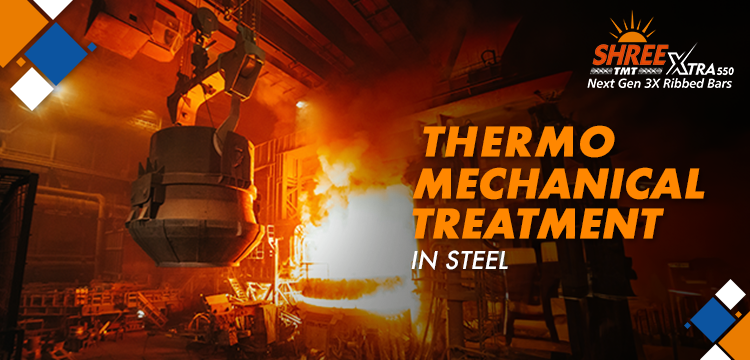
The TMT Process: Engineering Stronger Steel

Thermo Mechanical Treatment is a sophisticated metallurgical process that combines mechanical deformation with precise thermal processing to produce steel with superior properties. The process typically involves three critical stages:

  1. Hot Rolling: The steel billet is heated to temperatures around 1200°C and passed through a series of rollers. This initial deformation breaks down the cast structure and begins to refine the grain.
  2. Controlled Cooling: The hot-rolled bar then enters a carefully engineered cooling zone where the surface layer is rapidly quenched with water, creating a hardened martensitic outer layer while maintaining a hot core.
  3. Self-Tempering: As the bar exits the quenching zone, heat from the still-molten core flows outward, tempering the martensitic layer and creating a perfect balance of hardness and ductility.

This sophisticated process results in a unique microstructure – a tough outer rim surrounding a softer, more ductile core – giving TMT steel its remarkable properties.

Benefits That Revolutionize Construction

The advantages of TMT steel have made it the backbone of modern construction:

  • Enhanced Tensile Strength: TMT rebars exhibit up to 25% higher yield strength compared to conventional hot-rolled bars, allowing for leaner structural designs.
  • Superior Ductility: Despite their strength, TMT bars maintain excellent bendability, crucial for complex architectural designs and seismic-resistant structures.
  • Improved Weldability: The controlled carbon content in TMT steel ensures better fusion during welding operations without compromising structural integrity.
  • Corrosion Resistance: The refined grain structure offers better resistance to environmental degradation, extending the lifespan of structures in aggressive environments.
  • Cost Efficiency: The optimized strength-to-weight ratio translates to material savings of approximately 15-20% in major construction projects.

2025: The Cutting Edge of TMT Innovation

This year has witnessed remarkable advancements in TMT technology:

  • Micro-Alloying Breakthroughs: Recent developments in micro-alloying elements have enabled manufacturers to achieve unprecedented combinations of strength and ductility. The addition of precise amounts of niobium and vanadium has resulted in TMT steel with yield strengths exceeding 600 MPa while maintaining excellent formability.
  • AI-Driven Process Optimization: Artificial intelligence has revolutionized TMT production in 2025. Advanced neural networks now monitor and adjust cooling parameters in real time, ensuring consistent quality while reducing energy consumption.
  • Eco-Friendly TMT Production: Sustainability has become central to TMT manufacturing. New electric arc furnace technologies coupled with renewable energy sources have reduced the carbon footprint of TMT steel production by nearly 40% compared to traditional methods, meeting stringent global environmental standards.
  • Nano-Modified Surface Treatments The latest innovation in TMT steel involves nano-particle surface modifications that enhance bond strength between concrete and reinforcement, significantly improving the durability of reinforced concrete structures in extreme environments.

Impact on Modern Construction

The evolution of TMT steel has directly influenced construction trends in 2025:

  • Ultra-high-rise buildings now utilize advanced TMT rebars that enable structures to reach heights previously thought impossible.
  • Infrastructure projects benefit from extended service life predictions of 100+ years for TMT-reinforced elements.
  • Prefabricated construction elements using high-performance TMT steel have accelerated building timelines by up to 35%.
  • Seismic-resistant designs have become more efficient and economical through the use of specialized TMT reinforcement systems.

As we navigate through 2025, Thermo Mechanical Treatment continues to push the boundaries of what’s possible in steel reinforcement. The combination of traditional metallurgical wisdom with cutting-edge technology ensures that TMT steel remains at the forefront of construction innovation, delivering stronger, safer, and more sustainable structures for generations to come.
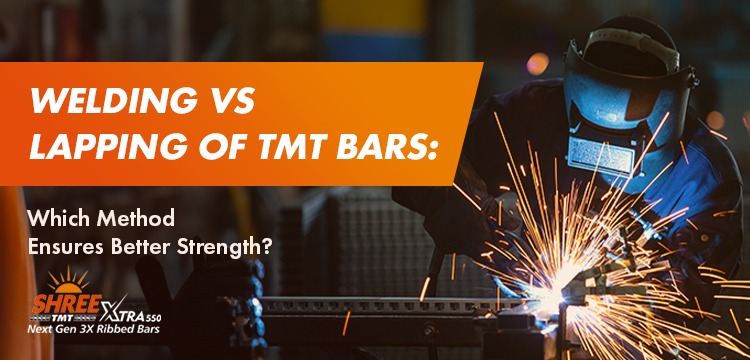
Welding vs Lapping of TMT Bars: Which Method Ensures Better Strength?

In construction, the joining of TMT (Thermo-Mechanically Treated) bars is a critical process that directly impacts the structural strength and durability of buildings and infrastructure. Two primary methods dominate this domain: welding and lapping. Each technique brings unique advantages and challenges, making the choice crucial for engineers and construction professionals.

Understanding TMT Bars

TMT bars are the quintessential strength that brings stability, durability, and resilience to modern construction, forming the backbone of reinforced concrete structures through their unique thermo-mechanical properties and superior load-bearing capabilities. These high-strength reinforcement bars are produced through a specialized cooling process that creates a tough outer martensitic shell and a ductile ferrite-pearlite core. This unique microstructure provides exceptional strength, ductility, and corrosion resistance.

Welding: Precision and Complexity

Welding involves directly joining TMT bars by melting and fusing their ends. This method requires specialized skills and equipment, including:

  • Electric arc welding
  • Submerged arc welding
  • Friction welding

Pros of Welding

  • Allows precise connections in tight spaces
  • Useful for complex structural designs
  • Can create continuous, seamless joints

Cons of Welding

  • Risk of altering the bar’s microstructure
  • Potential reduction in strength at the weld point
  • Requires highly skilled welding professionals
  • More expensive due to specialized equipment and labor

Lapping: Simplicity and Reliability

Lapping is a mechanical method where TMT bars are overlapped and tied together using binding wire or other reinforcement techniques. The overlap length is typically 40-50 times the bar’s diameter.

Pros of Lapping

  • Maintains original bar strength
  • Simple and straightforward technique
  • Lower skill requirement
  • Cost-effective
  • Preserves the TMT bar’s inherent metallurgical properties

Cons of Lapping

  • Requires more physical space
  • Limited in extremely compact structural designs
  • Potential for slight misalignment

Strength Comparison: The Critical Factor

Extensive research and structural engineering studies consistently demonstrate that lapping provides superior strength retention compared to welding. The primary reasons include:

  1. Minimal Microstructural Disruption:Lapping doesn’t involve heating, thus preserving the TMT bar’s original martensitic structure.
  2. Uniform Stress Distribution:Overlapped bars distribute loads more evenly, reducing stress concentration points.
  3. Reduced Risk of Metallurgical Defects:Welding can introduce potential weak points due to heat-affected zones.

Selecting the Right Method

The choice between welding and lapping depends on several project-specific factors:

  • Project Complexity: Intricate designs might favor welding. Most useful where there is a need for specialized structural details in seismic zones or high-stress areas.
  • Available Space: Compact structures may require welding. Used in locations with high reinforcement density where lapping would cause congestion.
  • Budget Constraints: Lapping is generally more economical and requires less specialized labor, making it cost-effective for standard construction.
  • Structural Load Requirements: Critical load-bearing structures might prioritize lapping. Useful in critical infrastructure projects like bridges and dams demanding highest quality connections.

Recommendations for Optimal Performance

  1. Prioritize lapping whenever possible
  2. If welding is necessary, employ certified welding professionals
  3. Use appropriate welding techniques that minimize heat impact
  4. Conduct thorough quality checks and non-destructive testing
  5. Follow relevant construction standards and guidelines

Conclusion

While both welding and lapping have their place in construction, lapping emerges as the preferred method for ensuring superior strength in TMT bar connections. By maintaining the bar’s original metallurgical properties and providing uniform stress distribution, lapping offers a reliable, cost-effective solution for most construction projects.

For specific project requirements, consulting with structural engineering experts remains crucial in making the most appropriate choice.

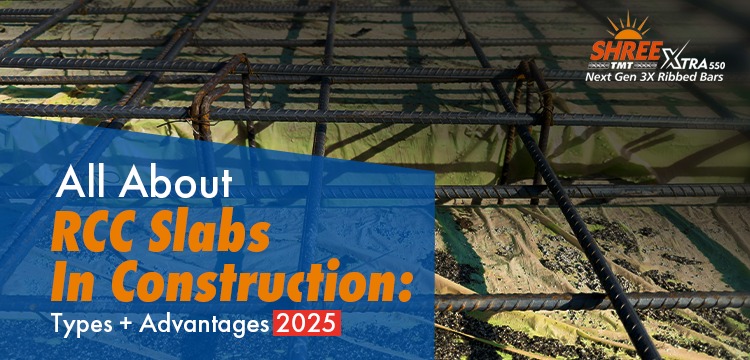
All About RCC Slabs In Construction: Types + Advantages [2025]

Reinforced Cement Concrete (RCC) slabs form the backbone of modern construction, serving as essential horizontal structural elements in buildings. The combination of concrete and high-quality TMT bars creates structures that stand the test of time. Understanding the various types of RCC slabs and their advantages is crucial for engineers, architects, and construction professionals to make informed decisions in their projects.

Types of RCC Slabs

The choice of RCC slab type significantly impacts a building’s structural integrity, cost, and functionality. Each type has unique characteristics that make it suitable for specific applications.

One-Way Slabs

One-way slabs are designed to transfer loads in a single direction, typically spanning between parallel support beams or walls. These slabs are most efficient when the length-to-width ratio exceeds 2:1. Their simpler design makes them economical for smaller spans and residential construction. The TMT bars are primarily placed along the direction of the span, with minimal distribution of steel in the perpendicular direction to ensure optimal load distribution.

Two-Way Slabs

When a slab is supported on all four sides and has a length-to-width ratio of less than 2, it behaves as a two-way slab. These slabs distribute loads in both directions, making them ideal for larger spaces like office buildings and commercial structures. Two-way slabs require high-quality TMT reinforcement in both directions, resulting in better load distribution and reduced deflection.

Flat Slabs

Flat slabs are unique in that they directly rest on columns without intermediate beams. This modern design creates clean ceiling lines and maximizes headroom, making them popular in contemporary architecture. Column capitals or drop panels may be used to enhance shear resistance. The strategic placement of TMT bars in flat slabs is crucial for maintaining structural integrity and preventing punching shear failure.

Waffle Slabs

Also known as coffered slabs, waffle slabs feature a grid of recessed panels, creating a distinctive waffle-like pattern on the ceiling. This design reduces dead weight while maintaining structural depth, enabling longer spans with less material. The complex reinforcement pattern in waffle slabs demands high-quality TMT bars to ensure proper load distribution and structural stability.

Advantages of RCC Slabs

Superior Durability

RCC slabs exhibit exceptional durability, with lifespans often exceeding 50 years under proper maintenance. The synergy between concrete and Shree TMT bars creates a robust structure resistant to weathering, impact, and normal wear and tear. This durability translates to reduced maintenance costs over the building’s lifetime.

Cost-Effectiveness

Despite initial material costs, RCC slabs prove economical in the long run. Their durability minimizes replacement needs, while their versatility reduces labor costs during construction. Using high-quality TMT bars from trusted manufacturers like Shree TMT ensures long-term cost savings by preventing structural issues.

Fire Resistance

RCC slabs provide excellent fire protection, with concrete acting as an effective thermal barrier. The concrete cover protects TMT reinforcement from high temperatures, maintaining structural integrity during fire events. This inherent fire resistance often reduces the need for additional fireproofing measures.

Design Flexibility

The versatility of RCC slabs allows architects and engineers to achieve various design objectives. The adaptability of TMT bars enables complex designs while maintaining structural integrity. This flexibility extends to both aesthetic and functional requirements of modern buildings.

Environmental Performance

RCC slabs contribute to building sustainability through thermal mass properties, helping regulate indoor temperatures and reduce energy consumption. The materials used are typically locally sourced, and the durability of quality TMT bars ensures a longer life cycle for the structure.

The Critical Role of TMT Bars in RCC Slabs

The strength and durability of RCC slabs heavily depend on the quality of TMT bars used in their construction. TMT (Thermo-Mechanically Treated) bars act as the backbone of RCC structures, providing:

  • High tensile strength for better load-bearing capacity
  • Superior ductility for earthquake resistance
  • Excellent bond strength with concrete
  • Uniform strength distribution throughout the structure

Conclusion

Reinforced Cement Concrete (RCC) slabs remain a fundamental element in contemporary construction, offering a perfect balance of structural performance, cost-effectiveness, and design flexibility. The quality of TMT bars used in RCC slabs plays a crucial role in ensuring structural integrity and longevity. Shree TMT, as a leading manufacturer of high-quality TMT bars, provides the essential reinforcement needed for durable and reliable RCC construction. For projects requiring superior structural integrity and long-term durability, choosing Shree TMT bars ensures that your RCC slabs will stand strong for generations to come.

Advanced Construction Techniques in 2025: What Every Builder Should Know

The construction industry is experiencing a revolutionary transformation in 2025, with innovative technologies and sustainable practices reshaping how we build. As the global construction market heads toward an unprecedented $15.5 trillion growth by 2030, staying ahead of these advancements isn’t just an advantage—it’s essential for survival in this competitive landscape.

The Evolution of TMT Bars in Modern Construction

At the heart of modern construction lies the revolutionary TMT (Thermo-Mechanically Treated) bar technology. These high-strength reinforcement bars have become instrumental in creating stronger, more durable structures. What sets contemporary TMT bar production apart is its significant environmental impact through scrap steel recycling. The steel industry has emerged as a pioneer in waste reduction by actively promoting the reuse of ferrous scrap, transforming urban waste management while ensuring structural integrity.

This sustainable approach to steel production not only reduces environmental impact but also ensures superior quality in construction materials. Modern TMT bars offer enhanced strength, ductility, and earthquake resistance—crucial factors in today’s construction landscape.

Revolutionary 3D Printing in Construction

Construction 3D printing has evolved from an experimental technology to a mainstream building method. Large-scale concrete printers now construct basic house structures in mere days, reducing labor costs by up to 60% and minimizing material waste. These printers excel in creating complex geometrical designs that would be challenging and expensive using traditional methods.

The real game-changer is the introduction of multi-material 3D printing systems, allowing simultaneous printing of structural elements and insulation layers. This integration dramatically improves building efficiency and reduces construction time by eliminating multiple separate processes.

Drone Technology and Real-Time Monitoring

In 2025, drone technology has become an indispensable tool in construction management. Advanced drones equipped with AI and machine learning capabilities provide real-time aerial imagery, 3D LiDAR scans, and thermal imaging. This technology enables project managers to:

  • Monitor construction progress with unprecedented accuracy
  • Conduct safety inspections in hard-to-reach areas
  • Create detailed topographical surveys
  • Track material inventory and placement
  • Identify potential issues before they become problems

Modular Construction and Smart Integration

Modular construction has reached new heights with automated factory production lines. Buildings are now assembled in controlled environments, with precision-engineered components that snap together on-site like sophisticated building blocks. This approach has slashed project timelines by up to 50% compared to traditional construction methods.

The latest modular systems feature built-in smart home technology, pre-installed utilities, and standardized connection points, making on-site assembly faster and more reliable. Quality control has improved significantly, with each module undergoing rigorous testing before leaving the factory.

Sustainable Building Materials and Practices

The push for sustainability has led to remarkable innovations in building materials. Self-healing concrete, which uses bacteria to repair cracks automatically, is becoming increasingly common in foundation work. The integration of high-quality TMT bars with these advanced materials creates structures that are not only environmentally conscious but also exceptionally durable.

Carbon-negative materials, such as engineered wood products and recycled steel, are now standard in eco-conscious construction. These materials not only reduce environmental impact but often offer superior performance characteristics.

Smart Construction Technologies and Market Growth

The construction technology market is witnessing unprecedented growth, with an $8 trillion expansion projected by 2030. This growth is driven by the integration of:

  • Building Information Modeling (BIM)
  • Internet of Things (IoT) sensors
  • Artificial Intelligence systems
  • Advanced material science
  • Automated construction equipment

China, the United States, and India are leading this technological revolution, with construction output expected to rise by 85%. This growth is fundamentally linked to technology-driven innovation and sustainability efforts.

Looking Ahead

As we progress through 2025, these advanced construction techniques, combined with sustainable material choices like modern TMT bars, are becoming increasingly accessible and cost-effective. For builders looking to maintain a competitive edge, embracing these innovations isn’t optional—it’s essential. The future of construction lies in the successful integration of these technologies with traditional building expertise, creating structures that are not only more efficient to build but also more sustainable and future-ready.

Remember, staying ahead in the construction industry means continuously learning and adapting to new technologies while maintaining the fundamental principles of quality craftsmanship that have always defined excellent building practices.

8 Factors That Affect The Price of TMT Steel Bars in 2025

The pricing of TMT (Thermo-Mechanically Treated) steel bars is influenced by a complex interplay of various market forces and industry dynamics. Understanding these factors is crucial for construction companies, developers, and investors in making informed procurement decisions.

Key Elements Affecting TMT Steel Bar Prices in 2025

Raw Material Costs

The cost of raw materials, particularly iron ore and coal, remains a fundamental factor in TMT steel pricing. Global iron ore markets have experienced significant fluctuations due to supply chain adjustments and changing demand patterns from major steel-producing nations. Additionally, the quality and availability of scrap steel, which is essential for the electric arc furnace method of steel production, impacts the final pricing structure.

Energy Costs and Environmental Regulations

Energy expenses constitute a substantial portion of steel production costs. The steel industry’s ongoing transition towards greener production methods and stricter environmental regulations has led to increased operational costs. Carbon pricing mechanisms and environmental compliance requirements continue to influence the overall production expenses and, consequently, the market price of TMT bars.

Transportation and Logistics

The cost of transporting raw materials to production facilities and finished products to construction sites significantly impacts final pricing. Fuel prices, shipping container availability, and regional infrastructure development all play crucial roles in determining logistics costs. The optimization of supply chain networks remains a critical factor in managing TMT steel bar prices.

Market Demand and Construction Activity

The construction sector’s health directly correlates with TMT steel demand. Infrastructure development projects, residential construction, and commercial building activities drive market demand. Government initiatives in infrastructure development and housing sectors significantly influence pricing trends through their impact on demand volumes.

Global Economic Conditions

International trade policies, currency exchange rates, and global economic conditions continue to affect steel pricing. Trade tensions between major economies, import duties, and anti-dumping measures can lead to price volatility in the steel market. Additionally, economic growth rates in key markets influence overall demand and pricing structures.

Technological Advancements

Investments in modern production technologies and automation can affect pricing in two ways. While initial implementation may increase costs, long-term efficiency improvements often lead to cost reductions. Advanced TMT steel production methods that enhance quality and reduce waste contribute to pricing dynamics.

Production Capacity and Utilization

The balance between production capacity and actual utilization rates influences market prices. Overcapacity can lead to price pressures, while optimal utilization levels help maintain stable pricing. Industry consolidation and capacity rationalization efforts impact supply-side dynamics.

Seasonal Factors

Construction activity often follows seasonal patterns, affecting demand and pricing throughout the year. Monsoon seasons in particular regions can impact both construction activities and transportation logistics, leading to temporary price fluctuations.

Conclusion

The pricing of TMT steel bars in 2025 continues to be influenced by a complex web of factors ranging from raw material costs to global economic conditions. Understanding these variables helps stakeholders make better-informed decisions in their steel procurement strategies. As the industry evolves, staying updated on these factors becomes increasingly important for effective cost management and project planning.

Cracks in Concrete: Causes, Prevention, and Repair For Builders [Guide]

Concrete cracking is one of the most common challenges faced by construction professionals. While some cracks are harmless and purely aesthetic, others can compromise structural integrity and require immediate attention. This comprehensive guide explores the causes of concrete cracks and prevention strategies.

Understanding Different Types of Concrete Cracks

Concrete cracks can vary significantly in their causes, appearance, and impact on a structure’s integrity. Following are the types of concrete cracks:

Plastic Shrinkage Cracks: These appear on the surface shortly after concrete placement, typically due to rapid water evaporation. These shallow cracks often form in a random pattern before the concrete fully hardens.

Structural Cracks. These develop due to excessive loading or poor structural design. These cracks are often wider than 0.3mm and require immediate professional attention, as they can compromise the building’s stability.

Settlement Cracks. Such cracks can occur when part of the concrete settles differently than the rest, usually due to improper soil compaction or foundation issues. These cracks are often diagonal and wider at one end.

Comprehensive Causes of Concrete Cracking

Material-Related Causes:

  • High concrete permeability allows moisture penetration, leading to internal deterioration and weakening of the structure. This often results from improper mix design or inadequate curing procedures.
  • Poor quality materials, including substandard cement, construction bars, and aggregates, can severely compromise concrete integrity. These materials often fail to achieve the designed strength under normal loading conditions.
  • Corrosion of reinforcement steel occurs when moisture and chlorides reach the steel level, causing expansion and creating internal pressure that leads to concrete cracking.
  • Chemical reactions within concrete components, such as alkali-silica reaction (ASR), can cause long-term deterioration through the formation of expansive gels.

Structural and Design Causes:

  • Foundation movement from changes in soil moisture content or inadequate soil bearing capacity can cause differential settlement and major structural cracks.
  • Soil settlement beneath structures occurs when the underlying soil compresses under the building’s weight or due to groundwater changes.
  • Elastic deformation and overloading beyond design capacity can lead to permanent deformation and cracking.

Environmental and External Causes:

  • Thermal movement from temperature fluctuations can cause significant stress, particularly in exposed elements.
  • Environmental stresses from nearby construction, transportation, or seismic activity can transmit damaging vibrations over time.
  • Weather effects and freeze-thaw cycles can accelerate concrete deterioration.

Prevention Strategies

Proper Design and Material Selection:

  • Use high-quality TMT steel bars that provide superior tensile strength and ductility. Premium TMT steel ensures consistent properties and excellent bond strength with concrete.
  • Implement proper reinforcement patterns and concrete cover requirements based on structural analysis and environmental exposure.

Quality Control and Construction Practices:

  • Follow strict quality control measures including material testing, mix proportion monitoring, and placement technique verification.
  • Ensure proper material storage and handling to prevent contamination or degradation before use.

Engineering Considerations:

  • Conduct thorough soil investigation and design appropriate foundation systems.
  • Include expansion and contraction joints based on structure size and environmental conditions.

When to Seek Professional Help

Professional engineering consultation is required for:

  • Cracks wider than 0.3mm that may indicate significant structural issues
  • Multiple cracks appearing in a pattern, suggesting systematic problems
  • Cracks accompanied by deflection or displacement requiring urgent assessment

Conclusion

Preventing concrete cracks requires quality materials, proper design, and excellent construction practices. Quality TMT steel reinforcement plays a crucial role in structural integrity. Preventing concrete cracks starts with using quality materials, including premium TMT steel, proper design, and stringent construction practices. Shree TMT is renowned for producing high-quality TMT steel bars that ensure superior structural integrity. Its unique 3X ribs design enhances the bond strength with concrete by 9-14%, providing unmatched durability and stability. Investing in superior materials and construction methods initially will significantly reduce long-term maintenance costs and structural issues.

How to Build a Strong Foundation for Your Home Using High-Quality TMT Bars

A home’s foundation is its fundamental support system, determining the structure’s longevity, stability, and overall safety. At the heart of a robust foundation lies the critical choice of reinforcement material, with Thermo-Mechanically Treated (TMT) bars emerging as the gold standard for modern construction.

Understanding the Importance of a Solid Foundation

Before diving into the specifics of TMT bars, it’s crucial to understand why a strong foundation matters. Your home’s foundation is more than just a concrete base—it’s the critical interface between your structure and the ground, responsible for:

  • Distributing the entire building’s weight evenly
  • Protecting against soil movement and settlement
  • Providing resistance against environmental stresses
  • Preventing structural damage and potential collapse

Why TMT Bars are Essential for Foundation Strength

TMT bars represent a technological breakthrough in construction reinforcement. Unlike traditional steel reinforcements, these bars undergo a unique manufacturing process that significantly enhances their structural properties:

Advantages of High-Quality TMT Bars

  1. Superior Strength and Ductility: High-grade TMT bars offer exceptional tensile strength, allowing them to withstand substantial loads without compromising structural integrity. Their unique manufacturing process creates a hard outer surface with a soft, ductile core, enabling better load distribution and reduced risk of sudden failure.
  2. Corrosion Resistance: The specialized thermal treatment creates a protective layer that significantly reduces the bars’ susceptibility to rust and corrosion. This characteristic is particularly crucial in foundations exposed to moisture and varying soil conditions, ensuring long-term durability.
  3. Enhanced Bonding with Concrete: TMT bars feature a ribbed surface that creates superior bonding with concrete. This improved adhesion ensures more effective load transfer and minimizes the risk of structural separation over time.
  4. Earthquake Resistance: The unique metallurgical structure of high-quality TMT bars provides exceptional seismic resistance. Their ability to absorb and dissipate energy during ground movements makes them crucial in earthquake-prone regions, offering enhanced safety and structural integrity.
  5. Thermal Stability: TMT bars demonstrate remarkable performance under extreme temperature conditions. Their ability to maintain structural integrity during fire incidents provides an additional layer of safety, making them crucial for long-term building protection.
  6. Weight Optimization: High-quality TMT bars offer superior strength-to-weight ratio, allowing for more efficient construction. This means less steel can be used to achieve the same structural strength, leading to cost-effectiveness and reduced overall construction weight.
  7. Weldability and Workability: Unlike traditional reinforcement bars, high-grade TMT bars offer excellent weldability and can be easily bent or shaped without compromising their inherent strength. This flexibility allows for more intricate and precise construction techniques.
  8. Environmental Sustainability: Modern TMT bar production processes focus on reducing carbon footprint, making them a more environmentally friendly option compared to traditional reinforcement materials.

Why Shree TMT Bars Stand Out in Quality

Shree TMT bars distinguish themselves through several key attributes:

  • Innovative 3X Ribs Design: Uniquely engineered ribbed structure dramatically enhances concrete bond strength and structural stability.
  • Advanced German Quenching Technology: State-of-the-art manufacturing process creates superior steel with exceptional strength and durability.
  • Comprehensive Certification: BIS and Green Pro certified, ensuring top-tier quality and environmental responsibility.
  • Superior Corrosion Resistance: Specialized thermal treatment provides unmatched protection in challenging environmental conditions.
  • Cost-Effective Performance: Intelligent design allows up to 20% reduction in concrete and steel usage while maintaining maximum structural integrity.
  • Rigorous Quality Control: Implementing multiple testing stages to ensure consistent high performance

Practical Steps for Using TMT Bars in Foundation Construction

1. Select the Right Grade

Choose TMT bars with appropriate grades (Fe 500, Fe 550, or Fe 600) based on your specific structural requirements. Higher-grade bars offer increased strength and are suitable for areas with complex geological conditions.

2. Proper Placement and Spacing

  • Ensure precise bar placement according to structural engineering specifications
  • Maintain correct concrete cover to protect bars from environmental exposure
  • Use appropriate spacing to distribute loads evenly

3. Quality Checking and Maintenance

  • Inspect TMT bars for manufacturing defects before installation
  • Verify straightness, surface condition, and bend tests
  • Implement regular foundation inspections to detect early signs of potential issues

Investing in high-quality TMT bars, particularly Shree TMT bars, is a strategic decision that goes beyond mere construction—it’s a commitment to safety, durability, and long-term structural integrity. By understanding their unique properties and implementing them correctly, you create a foundation that stands strong against time, environmental challenges, and structural stresses.

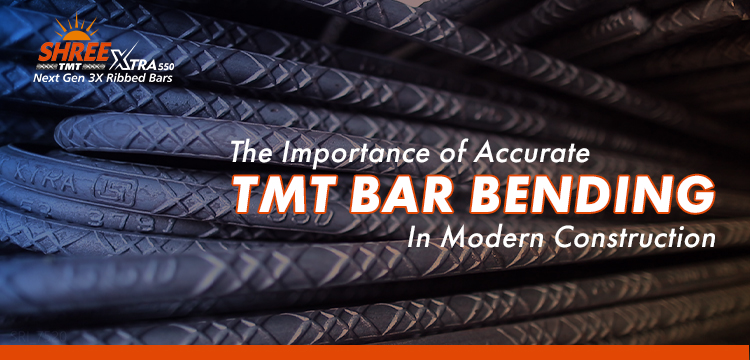
The Importance of Accurate TMT Bar Bending in Modern Construction

In modern construction, precision is not just a luxury—it’s a fundamental necessity. Among the critical aspects of structural engineering, TMT (Thermo-Mechanically Treated) bar bending stands out as a pivotal technique that directly influences the safety, durability, and efficiency of building structures. The interaction between bar quality and bending precision is symbiotic. High-quality TMT bars respond more predictably to bending processes, allowing for more accurate and reliable reinforcement. Conversely, even the most advanced bending techniques cannot compensate for inherently poor-quality bars.

The Foundation: Quality of TMT Bars

The success of precise bar bending begins long before the first bend is made—it starts with the quality of the TMT bars themselves. High-quality TMT bars are the cornerstone of effective reinforcement, bringing a unique combination of strength, ductility, and corrosion resistance to construction projects. The interaction between bar quality and bending precision is symbiotic. High-quality TMT bars respond more predictably to bending processes, allowing for more accurate and reliable reinforcement. Conversely, even the most advanced bending techniques cannot compensate for inherently poor-quality bars.

Precision: More Than Just a Technical Requirement

Precision bending of TMT bars is far more than a mere technical requirement; it is the backbone of structural integrity. When steel reinforcement bars are bent with absolute accuracy, they create a seamless network of support that distributes loads evenly across a structure. This precision ensures that buildings, bridges, and infrastructure can withstand various environmental stresses, from heavy loads to seismic activities.

Technological Innovations in Bar Bending

The process of TMT bar bending requires exceptional skill and advanced technological tools. Modern construction professionals utilize sophisticated bending machines and computer-aided design (CAD) software to achieve millimeter-perfect angles and curves. These technological innovations have transformed bar bending from a manual craft to a highly sophisticated engineering process.

Sustainability through Material Efficiency

Material efficiency is another crucial dimension of accurate bar bending. Construction teams can significantly reduce material consumption by minimizing unnecessary cuts, bends, and waste. Each precisely bent bar represents not just structural strength, but also economic and environmental responsibility. Reduced material waste directly translates into lower project costs and a smaller carbon footprint—a win-win scenario for builders and the environment.

Long-Term Structural Reliability

The implications of precise TMT bar bending extend far beyond immediate construction needs. Accurately bent bars enhance structural longevity, reducing maintenance requirements and potential repair costs. They improve a structure’s resistance to corrosion, fatigue, and unexpected structural failures. In essence, precision at the bending stage is an investment in long-term structural reliability.

Enabling Architectural Innovation

Modern construction projects demand increasingly complex architectural designs, and accurate bar bending is instrumental in bringing these visions to life. From curved architectural elements to intricate structural frameworks, precise bending allows engineers and architects to push the boundaries of design while maintaining stringent safety standards.

The Critical Role of Quality Control

Quality control plays a paramount role in this process. Experienced professionals conduct rigorous inspections, using advanced measuring tools to verify that each bend meets exact specifications. These meticulous checks ensure that every bar contributes optimally to the structure’s overall stability and performance.

Continuous Learning and Skill Development

Training and skill development are equally important. Construction teams must continuously upgrade their knowledge and techniques, understanding the nuanced relationship between bending angles, steel properties, and structural dynamics. This commitment to continuous learning ensures that bar bending remains a refined art backed by scientific precision.

The Future of TMT Bar Bending

As construction technologies evolve, the future of TMT bar bending looks promising. Emerging technologies like robotic bending systems and advanced material sciences are set to further revolutionize this critical aspect of structural engineering, promising even greater accuracy, efficiency, and sustainability.

Accurate TMT bar bending is not just a technical requirement—it’s a fundamental pillar of modern construction. It represents the delicate balance between engineering precision, material efficiency, and structural integrity, ensuring that our built environment remains strong, safe, and sustainable for generations to come.

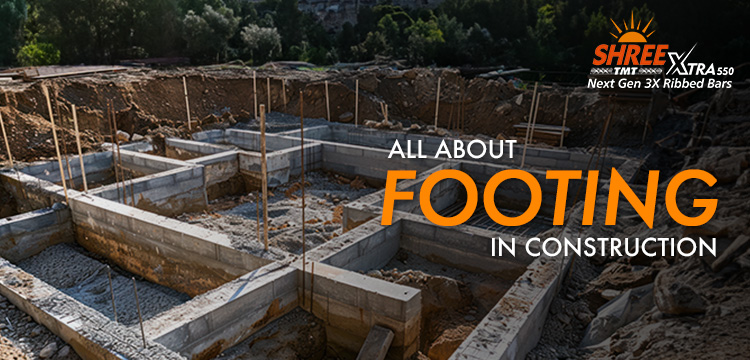
All About Footing In Construction: Types + Uses [Complete Guide 2024]

Construction footings are part of the foundation that distributes building loads into the soil, thus attaining stability and ensuring durability. Recognizing the different types and their applications is key for any construction professional.

Following are the essential types of footings and their critical roles in modern construction.

What Is a Construction Footing?

The footing is the lowest part of a foundation element. It is in direct contact with the ground, crucial in distributing the overall weight of the building above it across the soil, minimizing settlement and preserving structural integrity over time.

Common Types of Construction Footings

  1. Isolated or Pad Footings
    • Isolated, or pad footings, are square or rectangular concrete blocks supporting individual columns, commonly used in commercial and industrial settings. They are cost-effective, easy to construct, and allow for efficient material usage in structures with well-spaced columns.
  2. Strip Footings
    • Strip footings are continuous concrete foundations that support load-bearing walls, typically seen in residential and smaller commercial buildings. These footings distribute loads linearly along walls, making them versatile across various soil conditions and reducing differential settlement.
  3. Raft or Mat Foundations
    • Raft foundations consist of a thick concrete slab covering the entire area beneath a structure, ideal for weak soils or structures with heavy loads. Often chosen for buildings with basements, these foundations provide superior waterproofing and resist differential settlement, especially in areas with poor soil conditions.
  4. Pile Footings
    • Pile footings reach deep into stable soil layers or bedrock, offering stability for tall buildings and structures on unstable surface soil. They are crucial for high-rise and industrial projects, effectively managing heavy structural loads on challenging sites.

Factors Affecting Footing Selection

Footing selection depends heavily on soil conditions, including bearing capacity, soil type, and groundwater levels. Structural needs, such as building size, load distribution, and settlement tolerance, also play a major role. Environmental factors, including climate, seismic activity, and frost depth in colder areas, are equally essential considerations.

Best Practices for Footing Construction

Successful footing construction starts with a thorough site investigation, including soil testing and groundwater assessment. Design should incorporate accurate load calculations, proper dimensions, and reinforcement. During construction, adhering to concrete specifications, curing procedures, and levelling is crucial for ensuring long-term performance.

Modern Trends in Footing Design

Contemporary footing design increasingly integrates sustainable materials and advanced computer modeling. Prefabricated components are on the rise, reducing construction time and enhancing quality control. Focused advancements in seismic resilience and waterproofing continue to shape modern footing practices.

Choosing the right footing type is fundamental to successful construction. By using high-quality materials like Shree TMT bars, footings can provide long-lasting stability, ensuring safety for decades. Whether it’s isolated, combined, strip, raft, or pile footing, each type benefits from the added strength that TMT bars provide. With careful attention to soil, structural requirements, and best practices, construction professionals can ensure a reliable foundation. Keeping updated with modern techniques and adhering to building codes will extend the lifespan and effectiveness of any footing system, providing a strong start for every project.

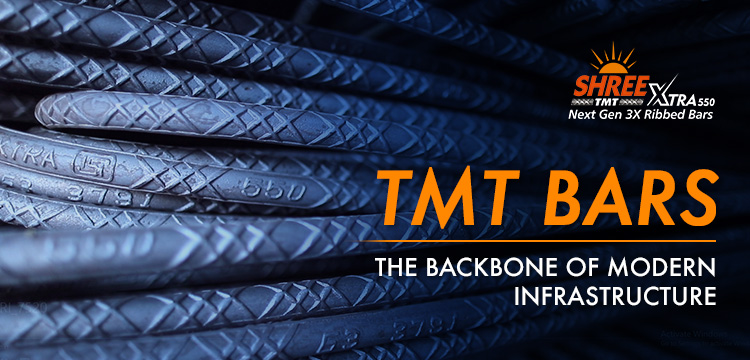
Why TMT Bars are the Backbone of Modern Infrastructure

The Foundation of Modern Construction

In an era where skyscrapers redefine city skylines and intricate highway networks connect vast regions, the true strength of our built environment lies in materials that often go unnoticed. Thermo-Mechanically Treated (TMT) bars are among these crucial elements, providing the necessary support and resilience for the infrastructure that shapes our cities and towns.

Selected for their superior properties, TMT bars have become essential for engineers and architects striving to design structures that can stand the test of time. From the foundations of highways to the steel frames of high-rise buildings, TMT bars silently ensure the stability and longevity of our built environment.

Unmatched Strength and Durability

One of the primary advantages of TMT bars lies in their exceptional durability. TMT bars possess enhanced tensile strength, making them better equipped to withstand the immense forces and stresses that infrastructure must endure. This durability is particularly crucial in regions prone to natural disasters, such as earthquakes or hurricanes, where the ability of a structure to withstand these powerful forces can mean the difference between triumph and tragedy.

The unique manufacturing process of TMT bars involves rapid quenching of the outer layer while maintaining a higher temperature in the core. This creates a strong martensitic outer layer with a softer, more ductile core – a combination that provides optimal strength and flexibility. This dual nature allows TMT bars to bend without breaking under extreme pressure, making them ideal for construction in seismic zones.

Corrosion Resistance for Longevity

TMT bars excel in their resistance to corrosion, a common enemy of infrastructure. The unique thermo-mechanical treatment process they undergo imbues them with a protective layer that shields the inner core from the ravages of rust and weathering. This increased resistance to corrosion translates to longer-lasting structures, requiring less maintenance and ensuring the safety of the people who rely on them day in and day out.

Cost-Effectiveness and Economic Benefits

Beyond their technical advantages, TMT bars offer significant economic benefits. Their superior durability and corrosion resistance mean reduced maintenance costs over the lifetime of a structure. Additionally, their high strength-to-weight ratio allows for optimal material usage, potentially reducing the overall construction costs. The longer lifespan of structures built with TMT bars also provides excellent return on investment for infrastructure projects.

Environmental Sustainability

The manufacturing process of these bars is environmentally conscious, with a reduced carbon footprint and a high percentage of recycled content. This aligns with the growing global emphasis on sustainable construction practices, making TMT bars an eco-friendlier choice for modern infrastructure projects. The durability of TMT bars also means less frequent replacement and reconstruction, further reducing the environmental impact of construction projects.

Applications Across Infrastructure

TMT bars find applications across various infrastructure projects:

  • High-Rise Buildings: Their high tensile strength makes them perfect for tall structures
  • Bridges and Highways: Their fatigue resistance ensures longevity in transportation infrastructure
  • Industrial Structures: Their durability makes them ideal for heavy-duty industrial applications
  • Residential Construction: Their corrosion resistance provides long-term stability for housing
  • Marine Structures: Their resistance to environmental factors makes them suitable for coastal construction

The Future of Infrastructure

As our cities and transportation networks continue to expand, the demand for reliable, high-performance building materials will only increase. TMT bars, with their unmatched strength, durability, and corrosion resistance, have become the indispensable foundation upon which the infrastructure of the future will be built. From the towering skyscrapers that define our skylines to the vast networks of highways that connect our communities, these versatile steel reinforcements are the silent heroes that keep our world running.

Quality Standards and Certification

To ensure optimal performance, TMT bars must meet stringent quality standards. Reputable manufacturers ensure their products comply with international standards and undergo rigorous testing for:

  • Tensile strength
  • Yield strength
  • Elongation properties
  • Bend test performance
  • Chemical composition

These quality controls ensure that every TMT bar that goes into construction meets the highest standards of safety and reliability.

The role of TMT bars in modern infrastructure cannot be overstated. They represent the perfect combination of strength, durability, and sustainability that modern construction demands. As we continue to push the boundaries of architectural and engineering possibilities, TMT bars will remain at the forefront of infrastructure development, providing the strong foundation upon which we build our future.

TMT CALCULATOR